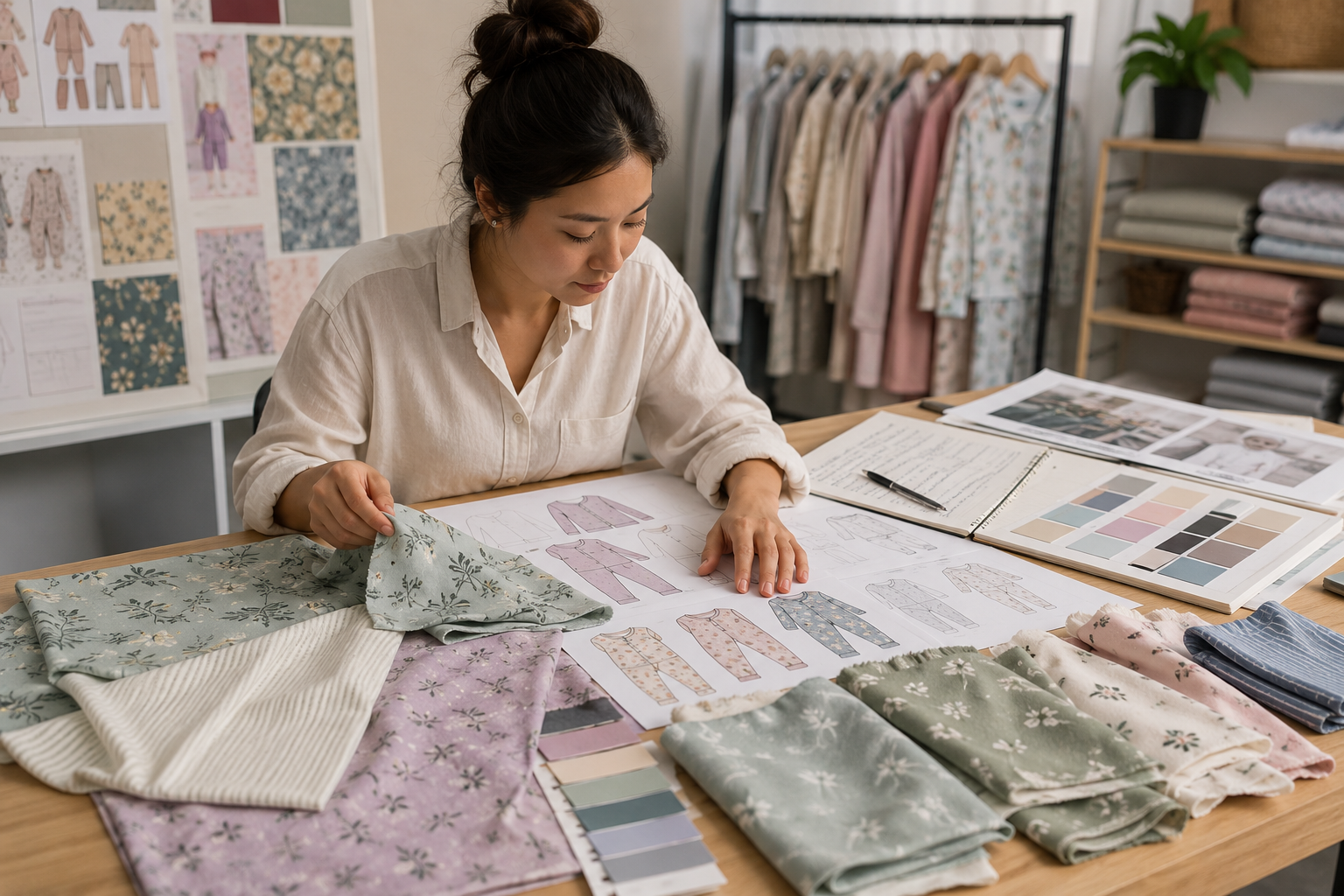
Learn how to start a pajama business in 2026, from choosing your niche and fabric to understanding MOQ, costing, compliance, sampling, and finding the right manufacturer.
Read More
Learn how to start a pajama business in 2026, from choosing your niche and fabric to understanding MOQ, costing, compliance, sampling, and finding the right manufacturer.
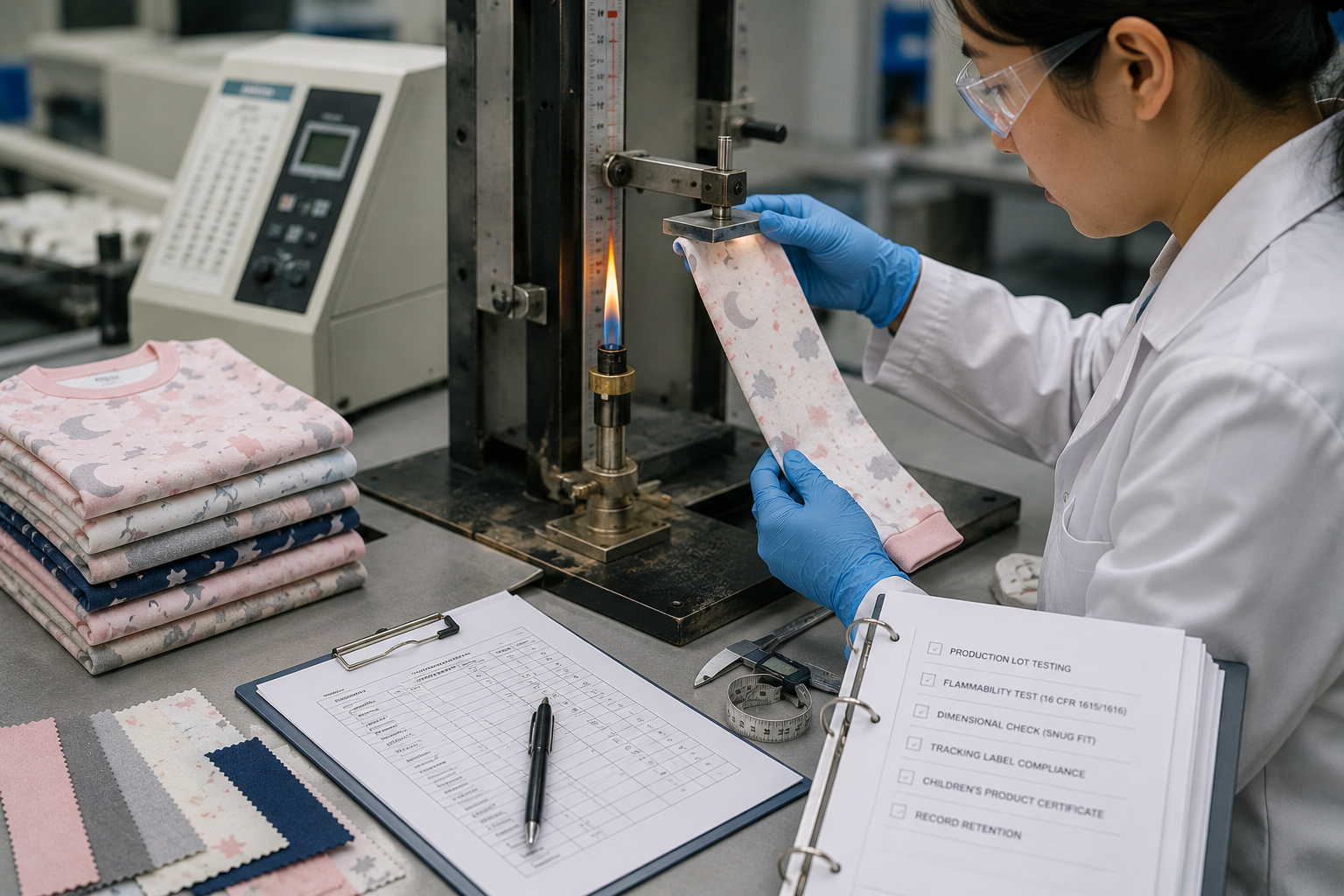
Read MoreMost children's sleepwear recalls can be traced to one issue: flammability non-compliance. Learn the common mistakes that trigger recalls and the manufacturing processes that keep children's pajamas compliant and off the recall list.
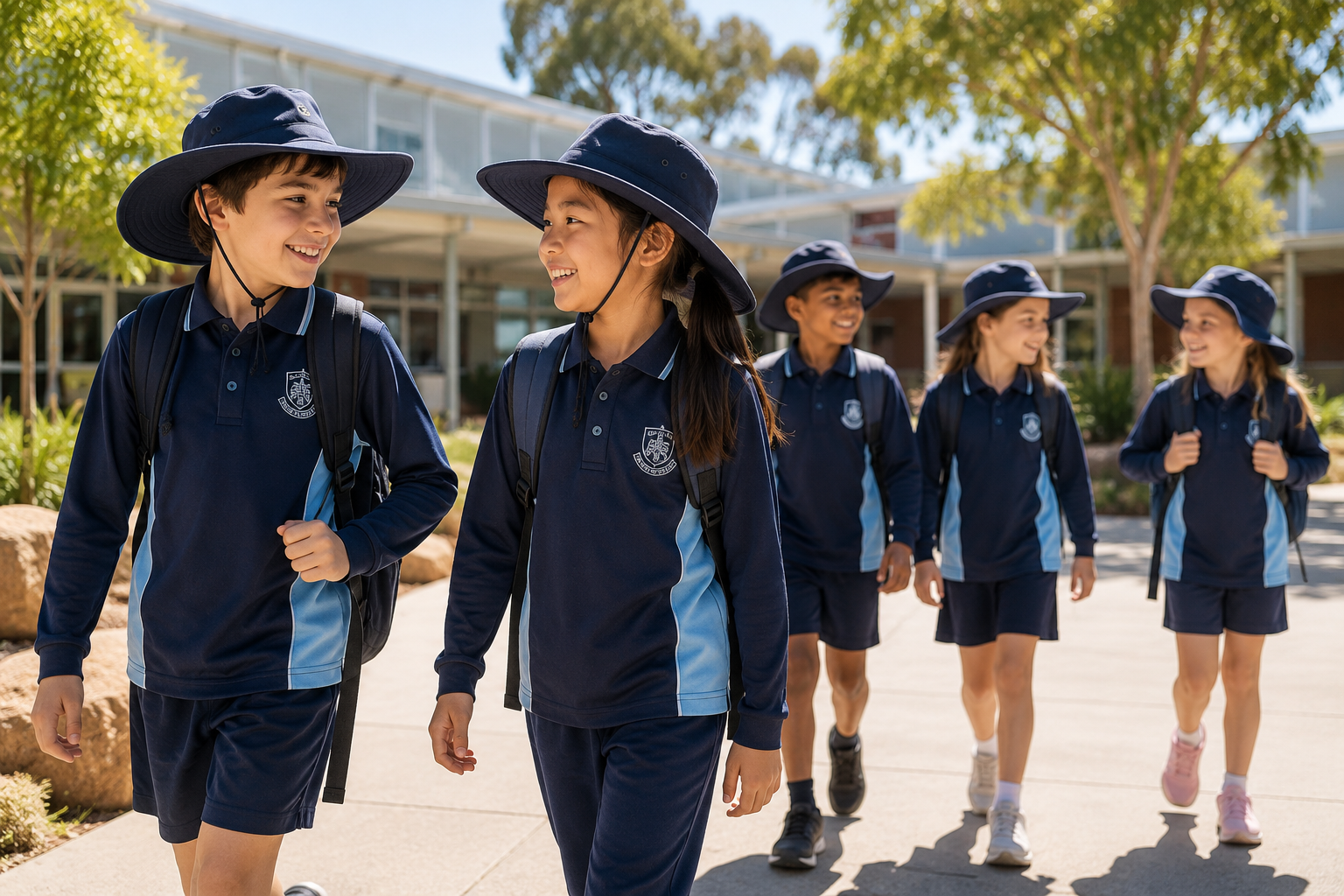
Read MoreAustralian schools have treated UV protection as part of student safety for decades. Now, US schools in high-UV regions are beginning to adopt UPF-rated uniforms as parent expectations, climate conditions, and district risk standards evolve.
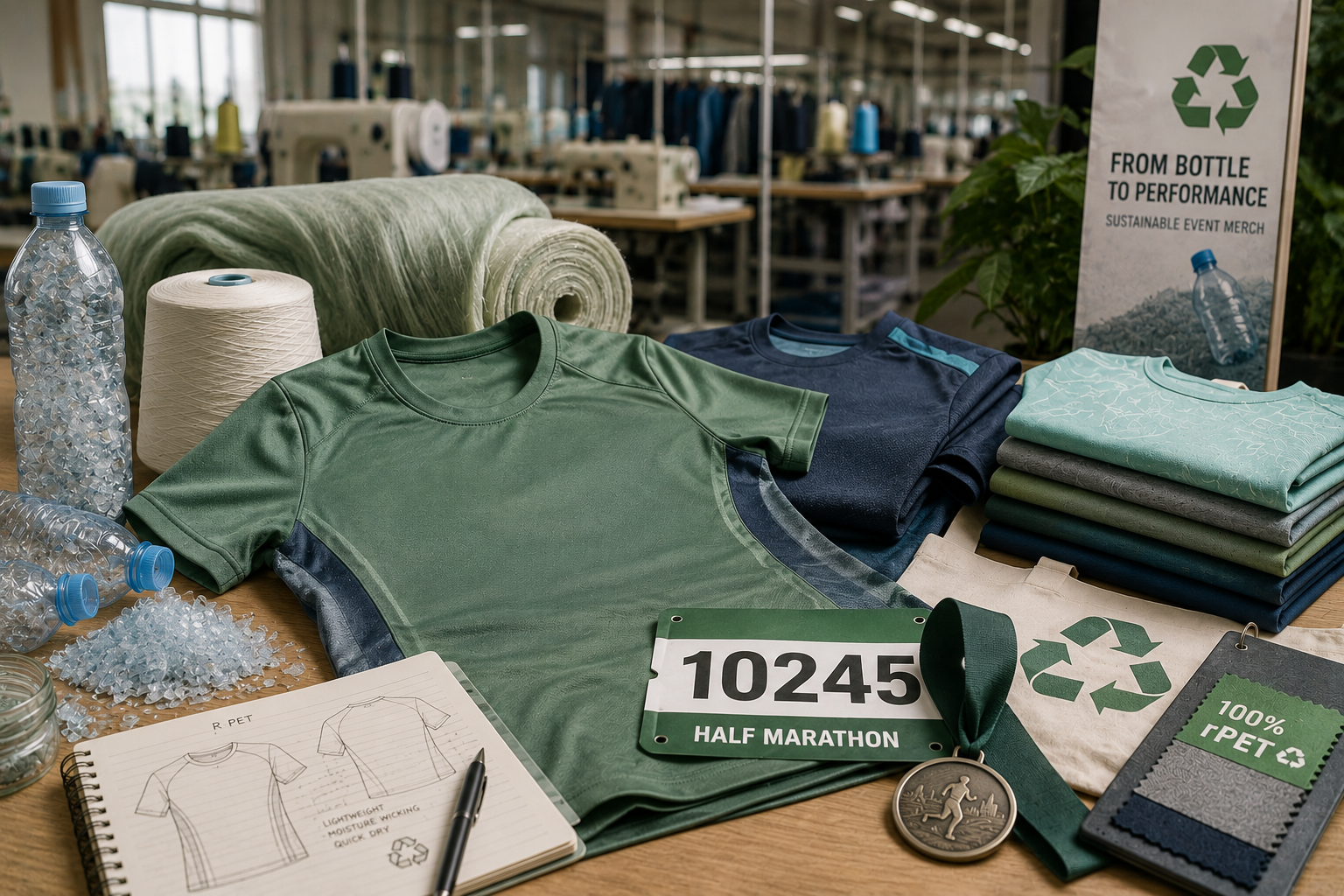
Read MoreRecycled polyester (rPET) is widely used in event merchandise, but the sustainability story is more complex than most brands realize. This guide explains how rPET is made, its tradeoffs, and how it compares to virgin polyester and organic cotton.
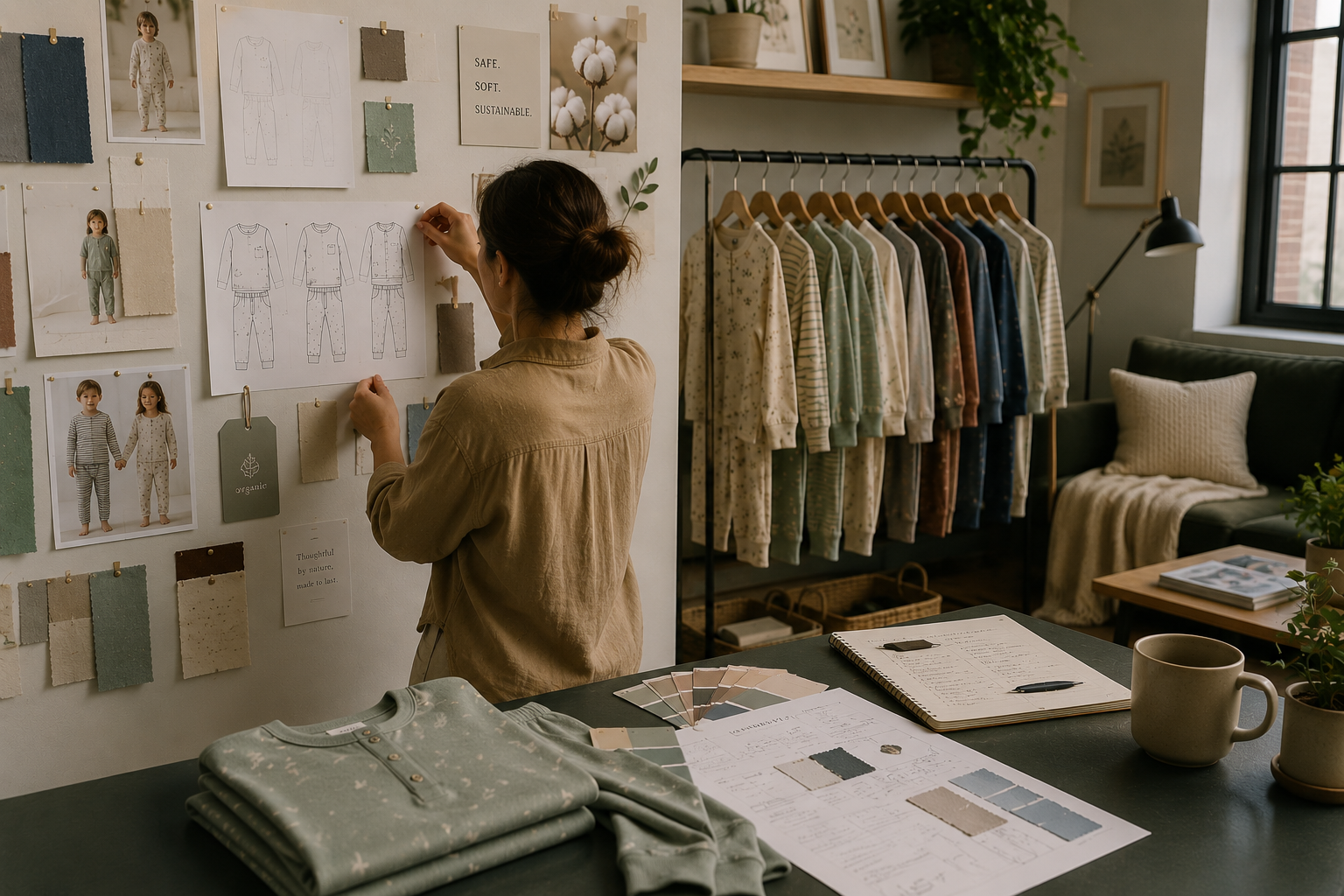
Read MoreStarting a children’s sleepwear brand in 2026 requires more than great designs. This guide walks founders through CPSIA compliance, fabric sourcing, sampling, lab testing, production timelines, and realistic startup costs for launching a retail-ready pajama line.
Read MoreMass-licensed sleepwear manufacturers are not the only option for growing pajama brands. This guide explores ethical low-MOQ alternatives, including sustainable fabric sourcing, transparent manufacturing, and compliance-focused production for independent sleepwear labels.
Read MoreChildren’s pajamas in the U.S. must follow one of two CPSIA compliance pathways: snug-fit construction or flame-resistant fabric treatment. This guide explains the cost, safety, fabric, and manufacturing differences between both approaches.
Read MoreChildren’s holiday pajamas can meet CPSIA flammability standards without flame-retardant chemicals through the snug-fit pathway. This guide covers fabric options, compliance requirements, and production timelines for holiday pajama programs.
Read MoreBamboo viscose and organic cotton are the most popular fabrics for baby sleep sacks. This guide compares their softness, breathability, warmth, and sustainability side by side.
Read MoreWhat do MOQ and FOB mean in garment manufacturing? A simple breakdown of key terms every apparel brand needs to understand before working with factories.
Read MoreConfused by GOTS, OEKO-TEX, and sustainability claims in sleepwear? This guide breaks down what each certification actually means, what it costs, and how to choose the right path for your brand.
Read MoreCMT stands for Cut, Make, and Trim — the labor cost of turning fabric into a finished garment. Learn what’s included, typical costs, and how it fits into your total sleepwear manufacturing budget.
Read MoreLearn how to launch a private label children’s sleepwear brand from scratch — from concept and tech packs to manufacturing, compliance, and scaling your pajama line.
Read MoreYes — children’s sleepwear in the U.S. must meet strict flammability standards. Here’s what that means, your two compliance options, and what testing actually costs.
Read MoreChoosing a children's sleepwear manufacturer isn’t just about price — it’s about quality, compliance, and long-term reliability. These 9 questions will help you avoid costly mistakes and find the right production partner.
Read MoreA practical guide for Montessori schools and daycares to create comfortable, flexible uniform programs—from fabric and sizing to supplier selection and parent satisfaction.
Read MoreLearn how to build a comfortable, parent-friendly school uniform program—from fabric selection and sizing to pricing and supplier selection.
Read MorePlan your marathon merchandise the right way—from design and fabric to budgeting and logistics—so your race gear delivers value for runners and sponsors.
Read MoreLaunching a sleepwear brand doesn’t require 5,000 units. Learn how to start with 500 units, reduce risk, and find a low MOQ manufacturer that delivers quality.
Read MoreStruggling to find a low MOQ sleepwear manufacturer without sacrificing quality? Here’s how to choose the right partner, avoid common traps, and scale from 500 units with confidence.
Read More