
Custom Uniforms for Montessori Schools and Daycares: A Complete Guide for Directors
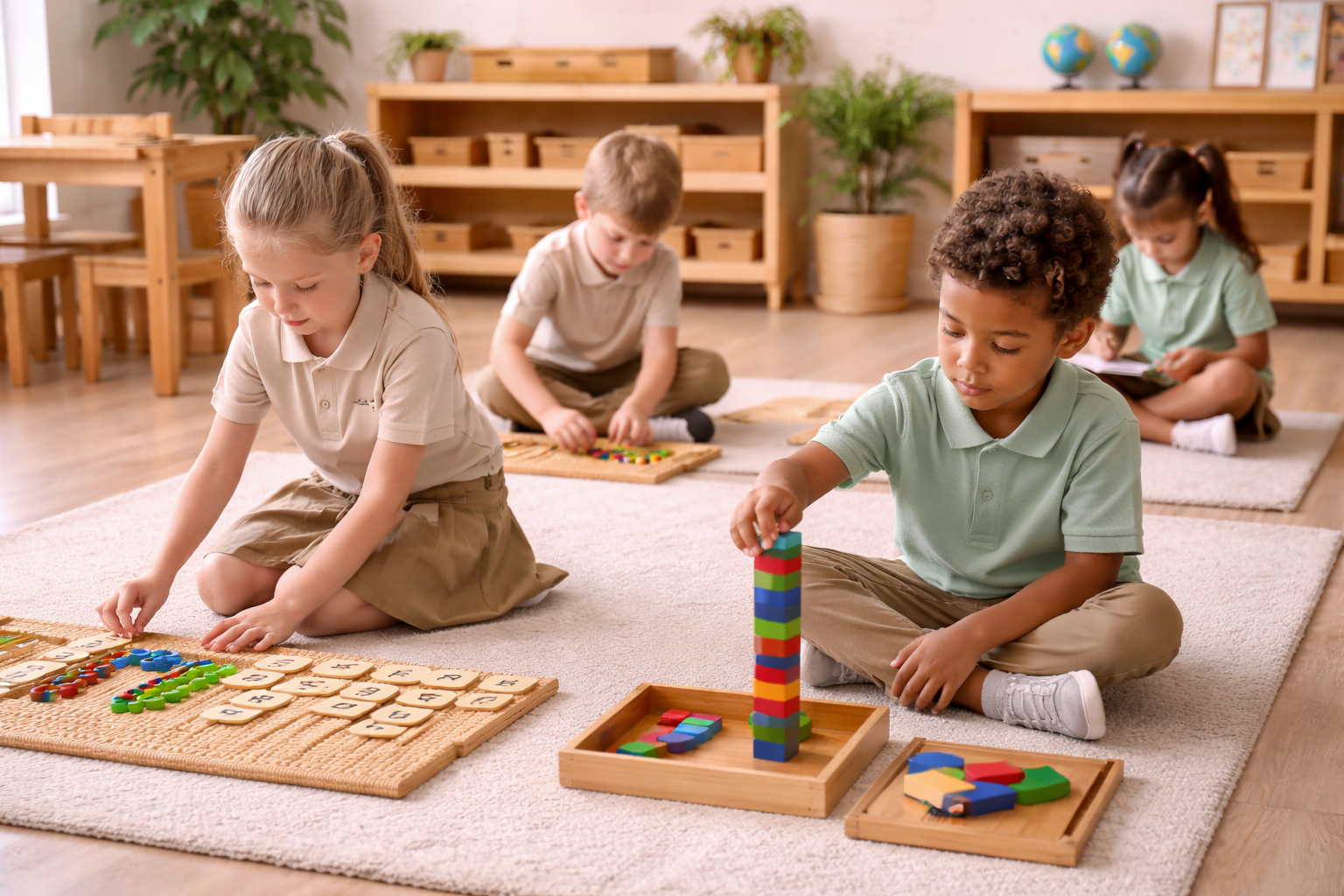
Uniforms at Montessori schools and daycares serve a different purpose than at traditional schools. They're not about conformity. They're about simplifying the morning routine for parents, reducing clothing-related classroom distractions, and creating a sense of community and belonging.
But finding a uniform supplier who understands early childhood education — and who can deliver soft, durable garments that little kids will actually wear without a fight — is harder than it should be. Most uniform companies focus on K-12 schools and offer stiff polo shirts and scratchy khakis that don't work for the 18-month to 6-year-old crowd.
This guide is for Montessori school directors and daycare owners who want to create a uniform program that parents love, kids are comfortable in, and that reflects the quality of your program.
Why Montessori Schools and Daycares Need a Different Approach to Uniforms
The standard school uniform model doesn't translate to early childhood settings. Here's why.
Young children need to move. Montessori classrooms are built around independent movement — children move between work stations, sit on the floor, use practical life materials, and go outside. Uniforms need to be stretchy, non-restrictive, and comfortable in any position.
Young children have sensitive skin. Rough fabrics, stiff collars, and scratchy tags cause discomfort and distraction. Every minute a child spends pulling at an itchy collar is a minute they're not engaged in learning.
Young children have accidents. Uniforms need to be easy to clean, quick to dry, and durable enough to survive daily washing. Parents won't keep buying replacements every month.
Parents have strong opinions about what their children wear. If the uniform is uncomfortable, poor quality, or unflattering, you'll hear about it. And unhappy parents don't renew enrollment.
Choosing the Right Fabric for Early Childhood Uniforms
Fabric choice is the foundation of a successful uniform program. Here's what works for the Montessori and daycare age group.
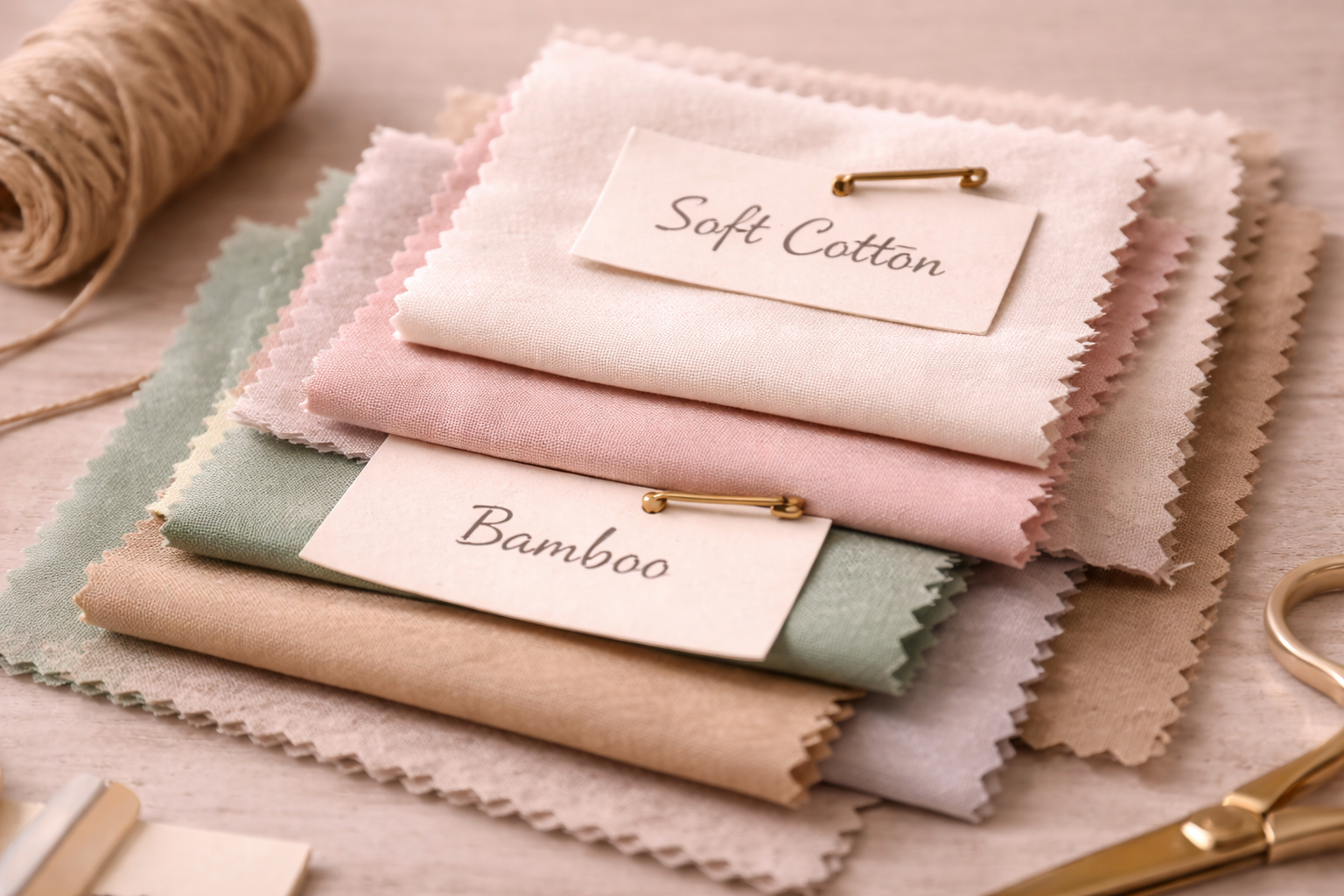
Cotton/spandex blends (typically 95/5 or 90/10) offer softness, stretch, and breathability. This is the most popular choice for everyday tops and bottoms. Organic cotton blends are available at a premium and support an eco-conscious school identity.
Bamboo rayon/spandex blends are increasingly popular for schools that want a premium feel. Bamboo is softer than cotton, naturally hypoallergenic, and temperature-regulating — all advantages for young children. It costs more per unit but communicates quality to parents.
Polyester/cotton blends are the most durable and stain-resistant option. They hold color well and resist shrinking. The trade-off is less softness and breathability compared to cotton or bamboo. These work well for outerwear layers.
Our recommendation for most Montessori and daycare programs: a cotton/spandex blend for everyday tops and leggings or joggers, with an optional bamboo upgrade if your school positions itself as premium. Avoid stiff fabrics, scratchy knits, or anything that requires ironing — parents don't have time for that.
Designing Your Uniform Program
The best early childhood uniform programs are simple, flexible, and parent-friendly. Here's what we recommend based on working with schools across North America.
Core items should include 2 to 3 options that cover everyday needs: a t-shirt or polo in your school colors with your logo, comfortable bottoms (leggings, joggers, or shorts depending on season), and a zip-up hoodie or pullover for layering.
Keep the palette simple. Two or three colors maximum. Navy, white, and one accent color is a classic combination. Too many options create confusion and increase your production costs.
Make logos subtle. A small embroidered or printed logo on the chest looks professional without feeling corporate. Giant logos across the chest or back look like team jerseys, not school uniforms.
Offer flexibility. The most successful programs let parents choose between a few approved items rather than mandating a single outfit. Some days a child needs a long-sleeve shirt; other days, a short-sleeve tee. Give parents options within your approved range.
Don't forget seasonal needs. Summer uniforms, winter layers, and rain gear are often overlooked. At minimum, offer a warm and cool option for tops and bottoms.
Sizing for the 18-Month to 6-Year-Old Range
Sizing young children is tricky because they grow fast and sizes vary significantly between brands. Here are the practical considerations.
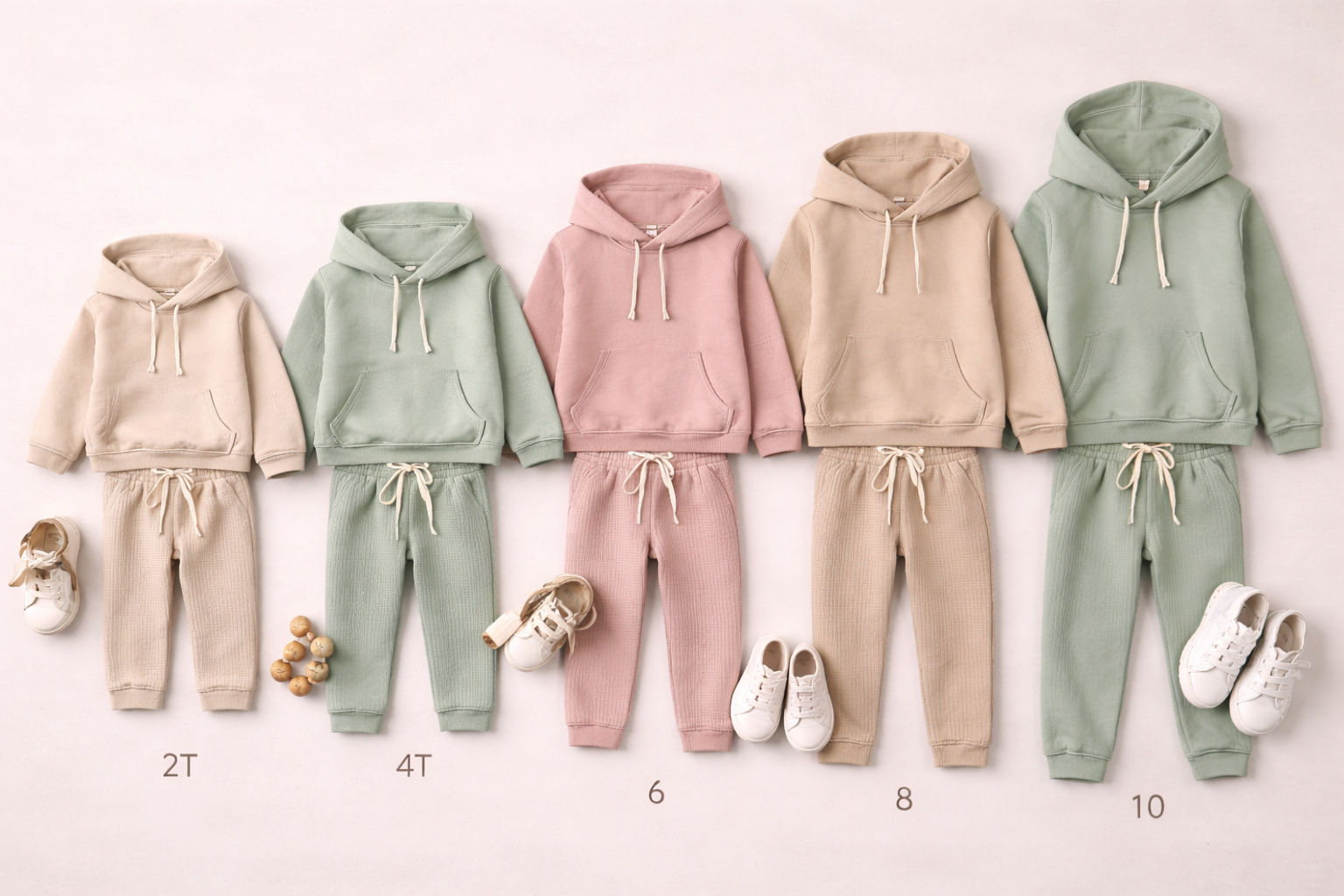
Offer a full size range from 18 months through at least size 6 or 7. If your school includes a kindergarten or pre-K program, extend through size 8. Label sizes clearly and consistently — parents shouldn't have to guess whether your "size 3" matches the size 3 from the brand they buy at retail.
Include a size guide on your order form or website. Chest, waist, and height measurements in both inches and centimeters eliminate most sizing complaints.
Build in room for growth. Children's uniforms should be slightly generous in the cut — not oversized, but with enough room that a child can wear the same shirt for 6 to 9 months before outgrowing it. Parents appreciate not having to replace uniforms every quarter.
Order extra inventory in the most common sizes (3T, 4T, and size 5 are typically your highest volume) and fewer units at the extremes.
The Ordering Process for Schools
If you're setting up a uniform program for the first time, here's how the process typically works with a custom manufacturer.
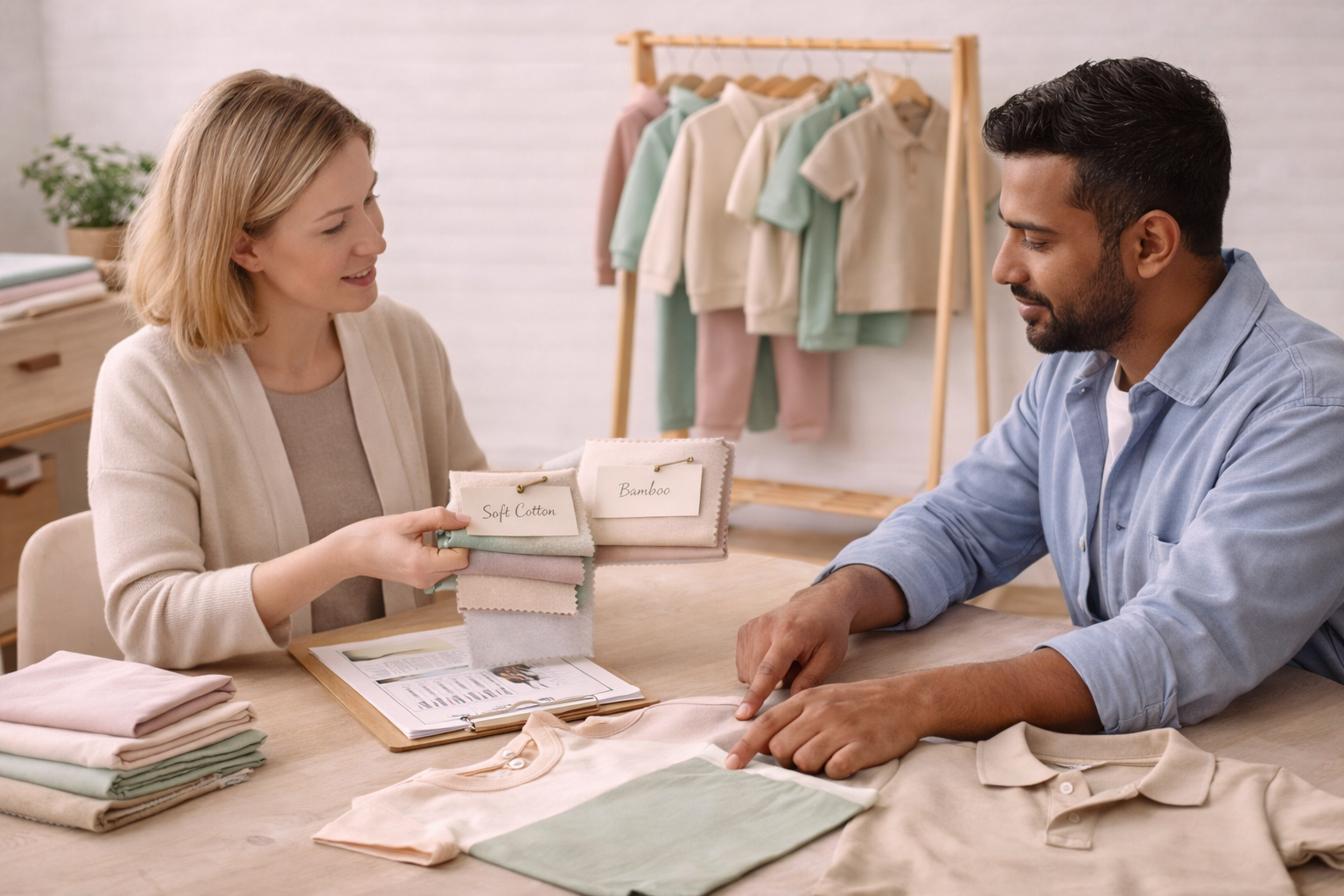
Step 1: Consultation. Share your vision — colors, logo, garment types, fabric preferences, and approximate student count. A good manufacturer will recommend fabrics and styles based on your needs and budget.
Step 2: Sampling. The manufacturer produces samples of each garment in your chosen fabric, color, and with your logo applied. This is your opportunity to check fit, fabric feel, logo placement, and overall quality. Plan for 1 to 2 rounds of samples.
Step 3: Parent pre-orders. Many schools collect uniform orders from parents before placing the production order. This minimizes overstock and ensures you have accurate sizing data. A simple online order form with a size guide works well.
Step 4: Production. Based on your order, the manufacturer produces the full run. Lead time is typically 6 to 10 weeks for a custom production order.
Step 5: Delivery and distribution. Uniforms are shipped to your school and distributed to families, either at an orientation event or sent home individually.
Step 6: Restocking. Keep a small inventory of common sizes for mid-year enrollment and replacements. Most schools reorder once or twice per year.
Budgeting and Pricing for Parents
Parents expect school uniforms to be reasonably priced. Here are realistic cost benchmarks for custom-manufactured early childhood uniforms.
T-shirts with embroidered or printed logo: $8 to $14 retail to parents. Polo shirts: $12 to $18. Joggers or leggings: $12 to $18. Zip-up hoodies: $18 to $28.
For a 3-piece basic uniform set (2 tops and 1 bottom), parents should expect to spend $25 to $45. Most parents purchase 3 to 5 tops and 2 to 3 bottoms per year to have enough for a weekly rotation.
Schools typically add a modest markup (20 to 40 percent) over their wholesale cost to cover administration, storage, and replacement inventory. Some schools operate uniforms at cost as a parent benefit; others use the margin to support school programs.
Choosing a Uniform Supplier
When evaluating suppliers, prioritize these factors for early childhood uniforms specifically.
Fabric softness — request and feel physical samples before committing. Durability — ask about colorfastness and shrinkage after repeated washing. Sizing accuracy — confirm they have patterns graded for the toddler-to-kindergarten range, not just scaled-down adult patterns. Minimum order quantities — for a school of 50 to 200 students, you need a supplier who can work at lower volumes. Logo application — embroidery, screen print, and heat transfer each have different looks, durability, and costs. Reorder flexibility — mid-year restocking should be quick and easy.
Request uniform samples and a custom quote for your school
We manufacture custom school and daycare uniforms in cotton, bamboo, and blended fabrics. We work with Montessori schools, daycares, and early childhood programs across North America, with minimums designed for school-sized orders.