
Private Label School Uniforms: How to Build a Custom Uniform Program That Parents Actually Like
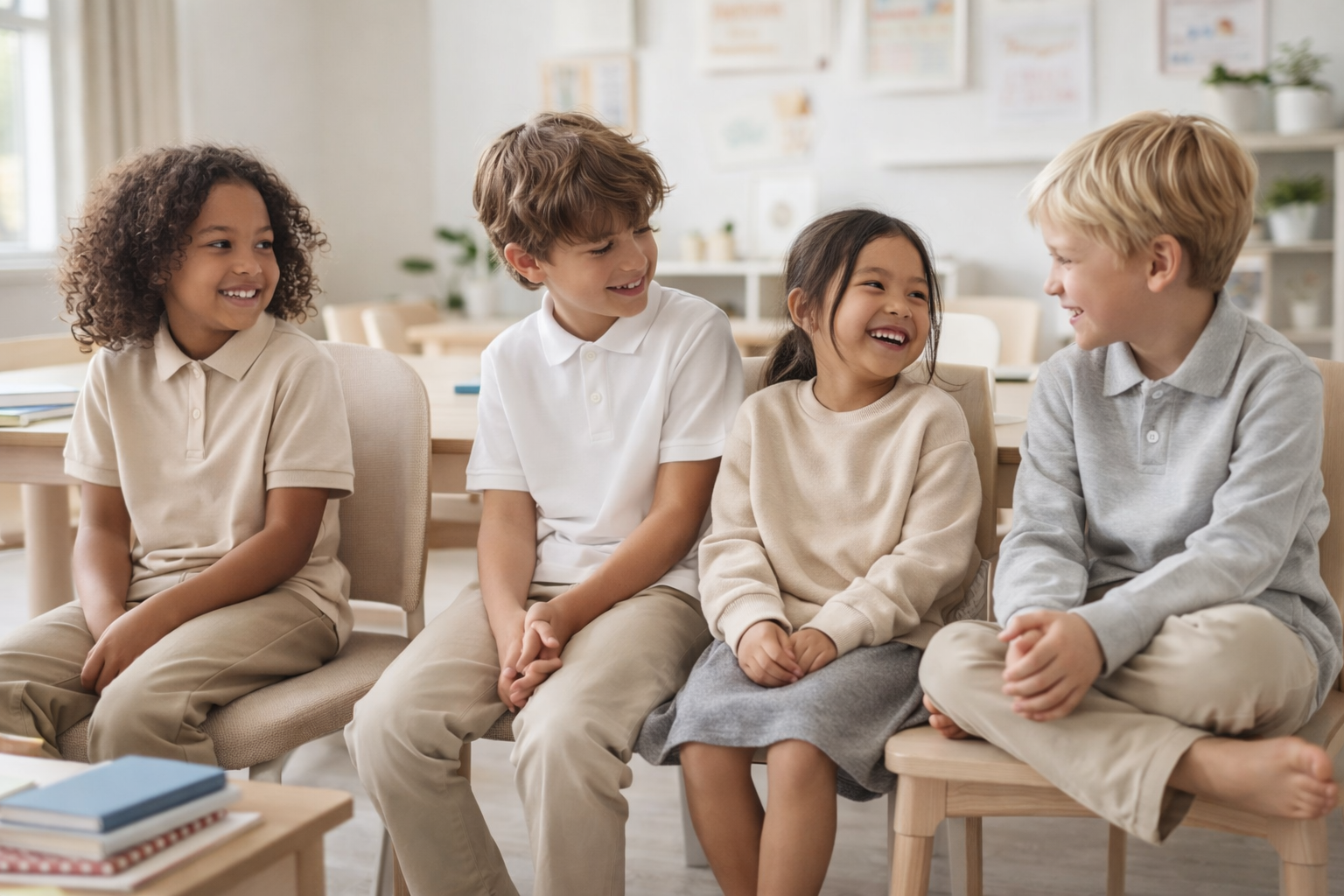
School uniforms have a reputation problem. When parents hear "uniform program," they think of stiff polo shirts, scratchy fabrics, and a mandatory expense that feels like a punishment. For Montessori schools, daycares, and progressive programs that pride themselves on a child-centered approach, that image is the opposite of what they want to project.
But a well-designed uniform program does the opposite — it simplifies mornings for families, reduces socioeconomic comparison among children, and reinforces the community identity that makes parents choose your school in the first place. The difference is in the execution: the fabric, the fit, and the flexibility of the program.
This guide walks school directors and administrators through the process of building a custom uniform program from scratch — one that children are comfortable wearing and parents are happy buying.
Defining Your Program Before Choosing a Supplier
The most common mistake school directors make is contacting a supplier before defining what they actually need. This leads to conversations driven by the supplier's catalog rather than the school's requirements.
Before you reach out to anyone, answer these questions. What age range does your school serve? A program for 18-month-olds through age 3 has different fabric and sizing needs than one for 4-year-olds through 8-year-olds. What's your climate? Year-round warm weather means different core garments than a four-season location. How strict do you want the program to be? Some schools require a full uniform (specific top, specific bottom, specific outerwear). Others offer an approved palette and let parents choose within guidelines. What's your budget expectation for parents? If your community is price-sensitive, that drives fabric and construction choices. If your school is positioned as premium, parents may expect higher-quality garments at higher price points.
These answers shape every decision that follows — garment types, fabric selection, and supplier choice.
Fabric Selection for Young Children
This is where early childhood uniforms diverge completely from traditional school uniforms. Children under 6 need fabric that's soft enough to wear all day without complaints, stretchy enough for unrestricted movement (floor play, climbing, art projects), durable enough to survive daily washing (sometimes twice a day for younger children), and easy-care enough that parents can throw it in a regular wash cycle without special treatment.
The fabrics that meet these requirements are different from what you'd find in a traditional uniform catalog.
Cotton/spandex blends (92/8 or 95/5) are the most versatile choice. Soft, stretchy, breathable, and widely available in a full color range. A 200 to 220 GSM weight provides durability without heaviness. This is the workhorse fabric for everyday tops and leggings or joggers.
Bamboo rayon/spandex blends offer a premium hand-feel that's noticeably softer than cotton. They're naturally hypoallergenic, which matters for children with sensitive skin or eczema. Cost is 30 to 40 percent higher than cotton, which is reflected in the parent-facing price. This choice makes sense for schools that position themselves as premium.
Polyester/cotton blends are the most durable and stain-resistant option but the least soft. They hold their shape and color well. Use these for outerwear (zip-up jackets, rain shells) rather than garments worn directly against skin. For schools in high-UV climates, polyester blends are also the base fabric for UV-protective uniform programmes rated at UPF 50+.
Avoid pure polyester for any garment that touches skin. Avoid anything that requires ironing. Avoid fabrics marketed as "wrinkle-free" or "stain-proof" that achieve those properties through chemical treatments — parents of young children are increasingly sensitive to chemical finishes on clothing.
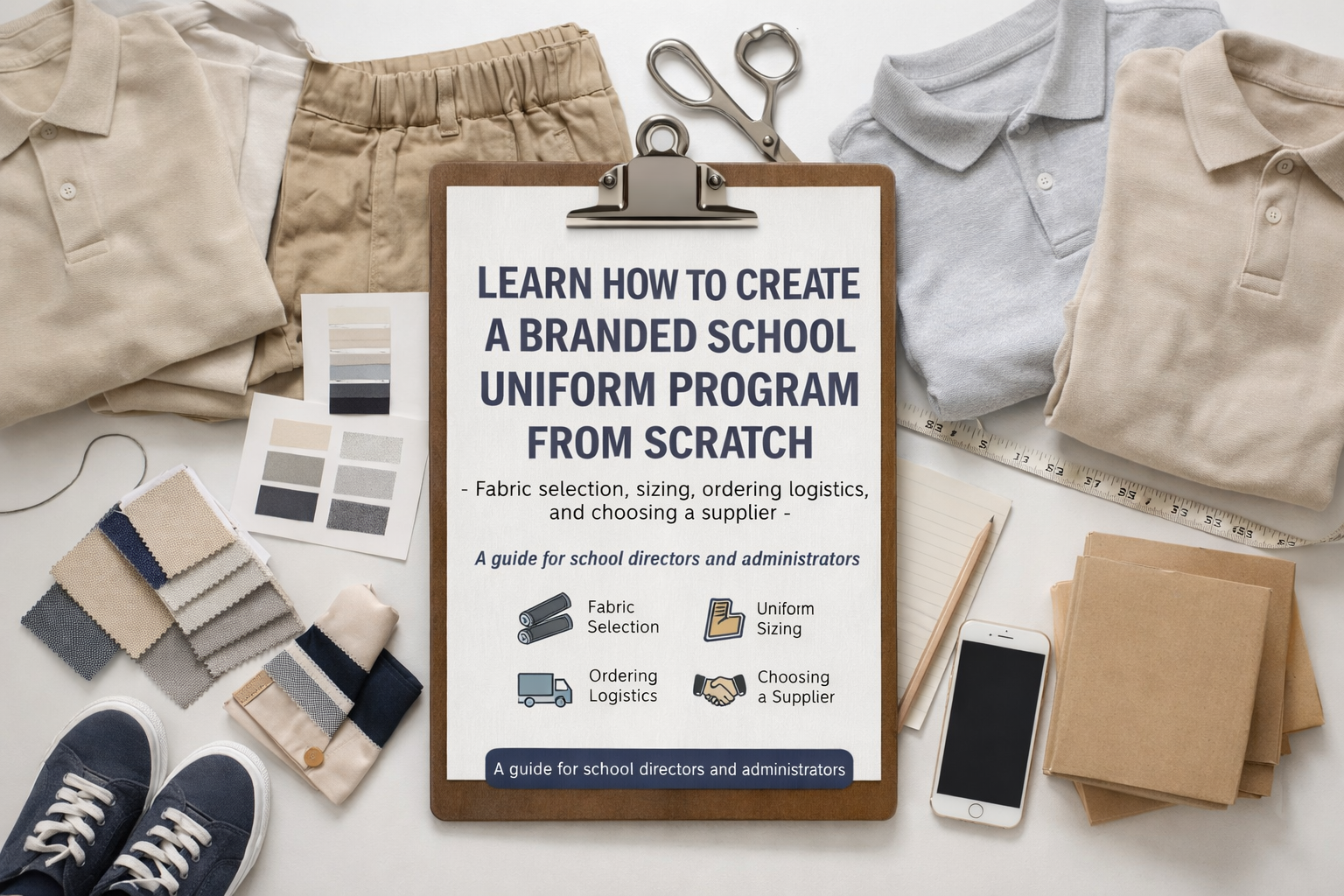
Building Your Garment Range
Less is more for a school uniform program. Every additional garment type adds complexity to your ordering, inventory, and parent communication.
A strong core range for a Montessori or daycare program includes a short-sleeve t-shirt or polo with school logo (the daily staple — parents will buy 4 to 5 of these), a long-sleeve version of the same top (for cooler weather), comfortable bottoms in leggings or joggers in an approved color (some schools provide these, others just specify the color and let parents source their own), and a zip-up hoodie or pullover with school logo (for layering).
That's four garments. Combined with approved-color bottoms, it covers every season and every day.
Optional additions for larger programs include a lightweight rain jacket, a beanie or sun hat with school logo, a dress option for families who prefer it, and a book bag or backpack with school branding.
Start with the core range and add items based on parent demand, not your own assumptions about what they want.
Logo and Branding
Your school logo on a uniform communicates identity and belonging. But execution matters.
Embroidery is the most durable option — it survives washing indefinitely and looks professional. It's best for small logos (chest placement, 2 to 3 inches wide). Cost adds approximately $1.00 to $2.50 per garment depending on complexity.
Screen printing is cost-effective for larger designs and works well for one or two-color logos. It's slightly less durable than embroidery but holds up well through 50 or more washes if done properly. Best for back prints or larger chest graphics.
Heat transfer offers the most design flexibility (full color, gradients, photographic images) but is less durable than embroidery or screen printing. It can crack or peel after extensive washing. Use it for secondary items (water bottles, bags) rather than daily-wear garments.
Keep logos small and subtle. A 2-inch embroidered logo on the left chest is professional without feeling corporate. Giant logos across the chest turn a comfortable t-shirt into a walking billboard — not the look most schools are going for.
Sizing and Fit
Sizing young children requires more precision than sizing older children or adults. Bodies at 18 months, 3 years, and 6 years have dramatically different proportions, and a pattern that's simply scaled down from adult proportions won't fit properly.
Your manufacturer should be using patterns specifically graded for the toddler-to-kindergarten range, with appropriate proportions for shorter torsos, rounder bellies, and diaper accommodation for younger sizes.
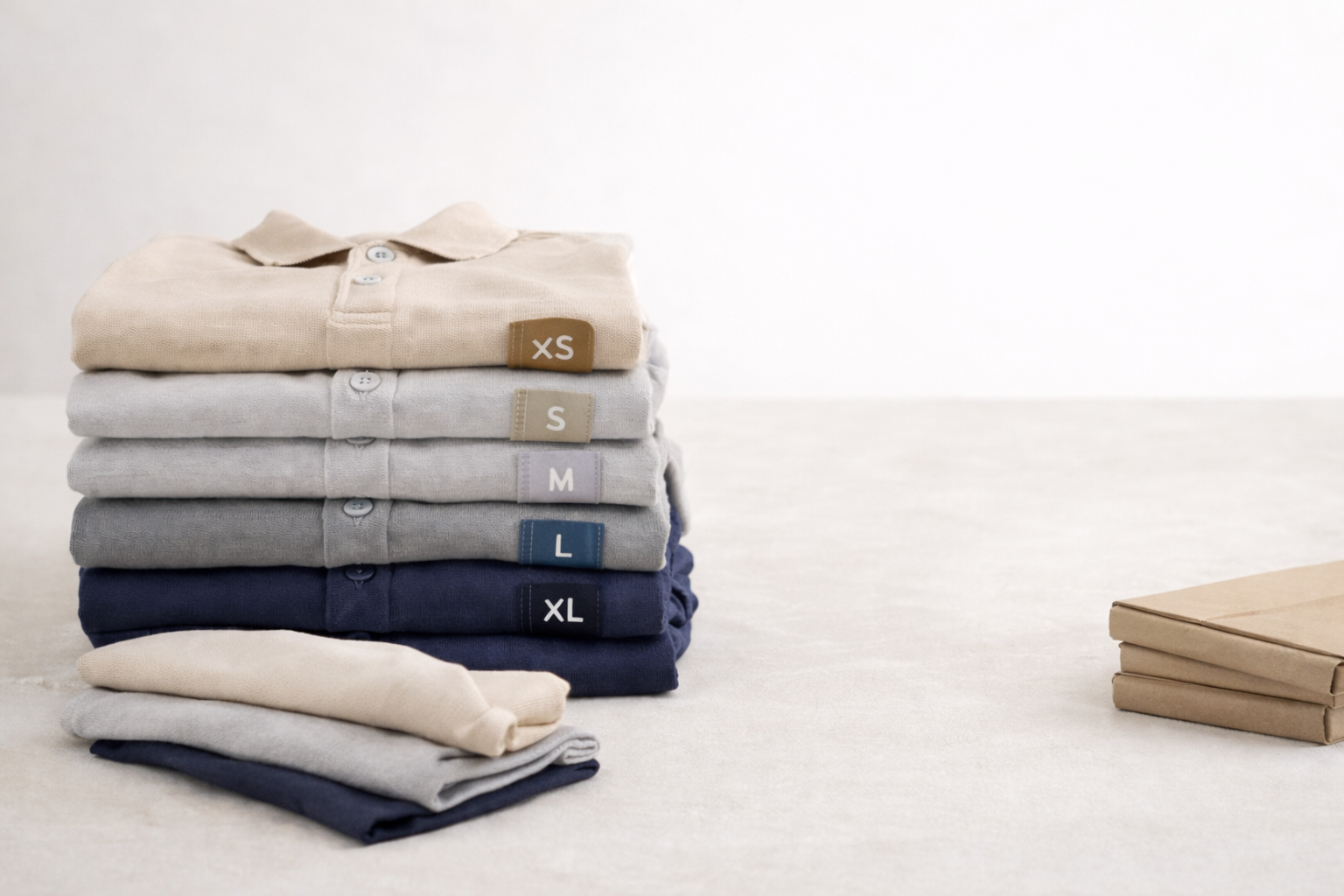
Offer a complete size range from 12 or 18 months through at least size 6. If your program extends to older children, continue through size 8 or 10. Publish a clear size chart with chest, waist, and height measurements — this eliminates 80 percent of sizing complaints.
Cut garments slightly generous. A child should be able to wear the same uniform size for at least 6 months (ideally a full school year) before outgrowing it. Parents who have to replace uniforms every quarter become frustrated quickly.
Managing the Ordering Process
The logistics of getting the right sizes to the right families is where many uniform programs break down. Here's a streamlined approach.
Pre-enrollment ordering. Send uniform order forms during the enrollment process, 2 to 3 months before the school year starts. Include your size chart, available garments, and pricing. Collect orders and payment before placing your production order with the manufacturer.
Aggregate and order. Compile all parent orders into a single production order. This gives you exact quantities by size and garment type, minimizing overstock. Add 10 to 15 percent buffer inventory in common sizes for mid-year enrollment.
Distribution. Ship or distribute uniforms at orientation or the first week of school. Having uniforms ready for day one sets the tone for the entire year.
Mid-year restocking. Maintain a small inventory of common sizes at the school. When new families enroll or children need replacements, you can fulfill immediately rather than waiting for a production run. Most schools reorder once or twice per year.
Online ordering (optional). Some schools set up a simple online store where parents can order uniforms directly, with the manufacturer or school fulfilling orders. This removes administrative burden from your staff and makes reordering easy for parents.
Pricing for Parents
Transparency is essential. Parents accept uniform costs when they understand the value; they resent them when they feel like a hidden fee.
Publish your pricing clearly during enrollment. Show parents what they're getting — quality fabric, a garment built for daily wear, comfortable fit designed for young children. If you're using bamboo, organic cotton, or GOTS-certified fabrics, explain why and how they benefit children through improved comfort, reduced chemical exposure, and more responsible sourcing.
Realistic price points for custom-manufactured school uniforms: t-shirts at $10 to $16, long-sleeve tops at $14 to $20, joggers or leggings at $14 to $20, and zip-up hoodies at $22 to $32. A full starter set of 3 tops, 2 bottoms, and 1 hoodie should land between $70 and $120 depending on fabric and construction quality.
Most schools add a 25 to 35 percent markup over their wholesale cost. This covers administration, storage, and replacement inventory while keeping the parent-facing price reasonable.
Choosing Your Supplier
The right supplier for a school uniform program is not necessarily a traditional school uniform company. Many of those specialize in K-12 with stiff polos and pleated skirts — the opposite of what young children need.
Look for an apparel manufacturer who has experience with children's garments (understanding of young children's proportions and fabric needs), can produce in school-sized quantities (most schools need 200 to 1,000 garments total, not 5,000), offers soft, stretchy fabrics appropriate for young children, handles logo application (embroidery or screen printing) in-house or through trusted partners, and can manage reorders efficiently with short turnaround.
The best supplier relationships start with a conversation about your school's needs and culture, not a product catalog. Your uniform program should reflect your school's values — and the right partner will help you design it that way.

Request uniform samples for your school or daycare
We manufacture custom school and daycare uniforms in soft, comfortable fabrics designed for young children. From cotton to bamboo, minimums built for school-sized orders, and a process designed to make your uniform program easy to manage.