
Snug-Fit vs Flame-Resistant Children's Pajamas: A Manufacturer's Compliance Path Guide
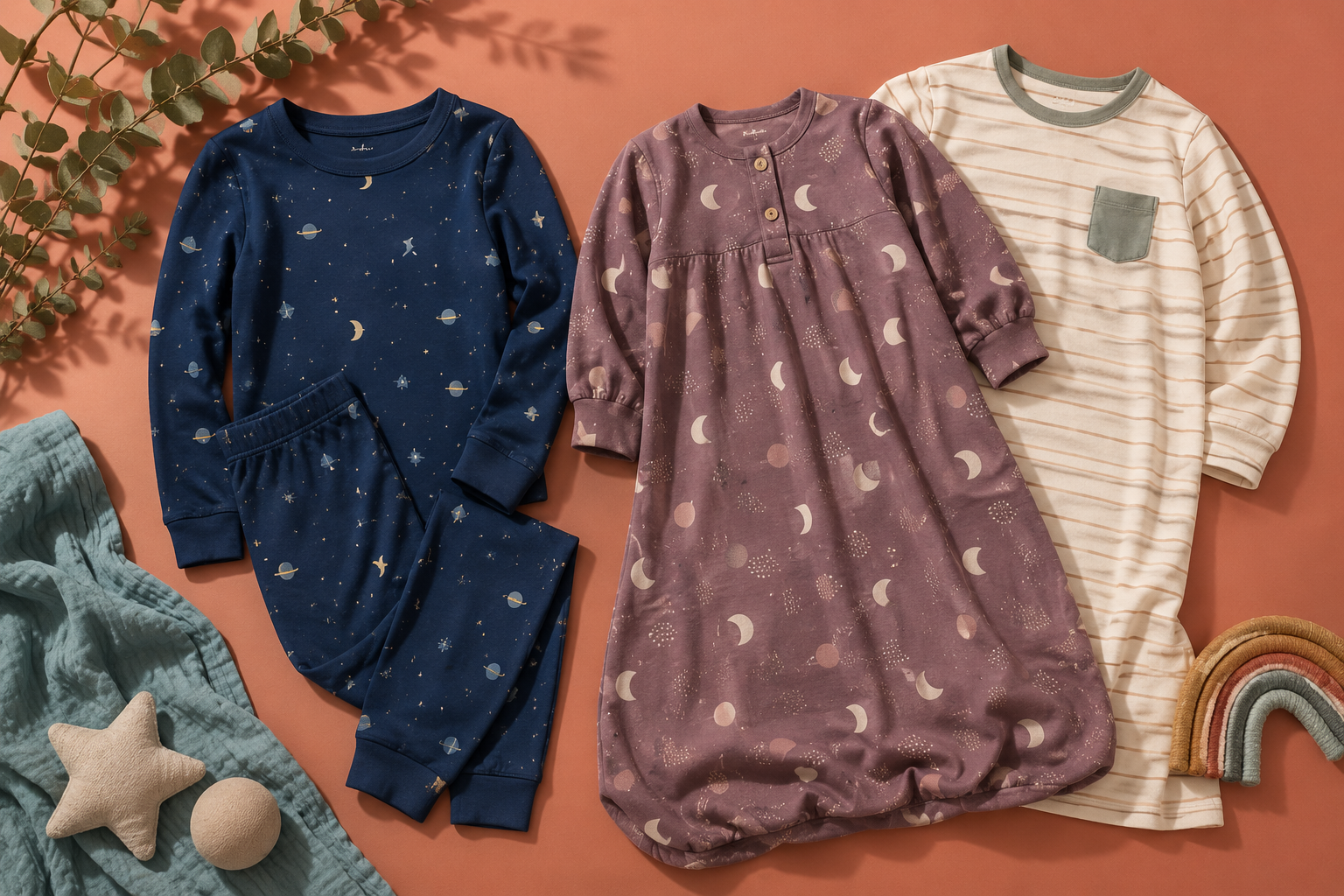
Two legal pathways, one decision
Children's sleepwear in the U.S. (sizes 9 months to 14) must meet CPSIA flammability rules. Two pathways exist:
1. Snug-fit construction under 16 CFR 1615.4 and 1616.4
2. Flame-resistant fabric treated to pass the burn-rate test
Both are legal. Both produce a compliant garment. They are not equivalent in cost, brand positioning, or supply chain.
The decision to make first, before fabric selection or pattern grading, is which pathway your brand will take. This article walks through how to make that call.
The snug-fit pathway in detail
Snug-fit is a construction-based pathway. The pattern must hold the garment to the body within specific dimensional tolerances at:
- Chest circumference
- Waist circumference
- Hip circumference (where applicable)
- Thigh circumference
- Wrist circumference
- Ankle circumference (footed pajamas) or knee/ankle (open-leg)
- Arm length and inseam length
Each tolerance has a maximum measurement at each size break. The CPSC publishes the dimensional table.
For a garment to qualify, the construction must hold these dimensions through the entire wear cycle. That means:
- Knit fabrics with 5 to 8% recovery elastane
- Pattern grade ratios that are tighter than typical daywear
- Cuff and waistband specs that hold the snug fit through washes
- Yardage planning that accounts for the closer body fit
A CPSC-accepted testing lab verifies the dimensions of the finished garment. Testing is per design, per fabric, per colourway, per size break.
The flame-resistant pathway in detail
The FR pathway treats the fabric so it self-extinguishes within the burn-rate threshold. Two FR routes exist:
1. Inherent FR fibres. Polyester variants (Trevira CS, modacrylic blends) that meet flammability rules without chemistry. Hand feel is often less soft than untreated knits, and the price point is higher.
2. FR chemical treatment. Cotton or cotton-blend fabrics treated with FR chemistry (typically phosphorus-based or halogen-based formulations). Chemistry stays bonded through standard washes.
The FR pathway allows looser, flowing pajama silhouettes that snug-fit cannot. Some retail buyers want this silhouette for specific holiday or character licensed lines.
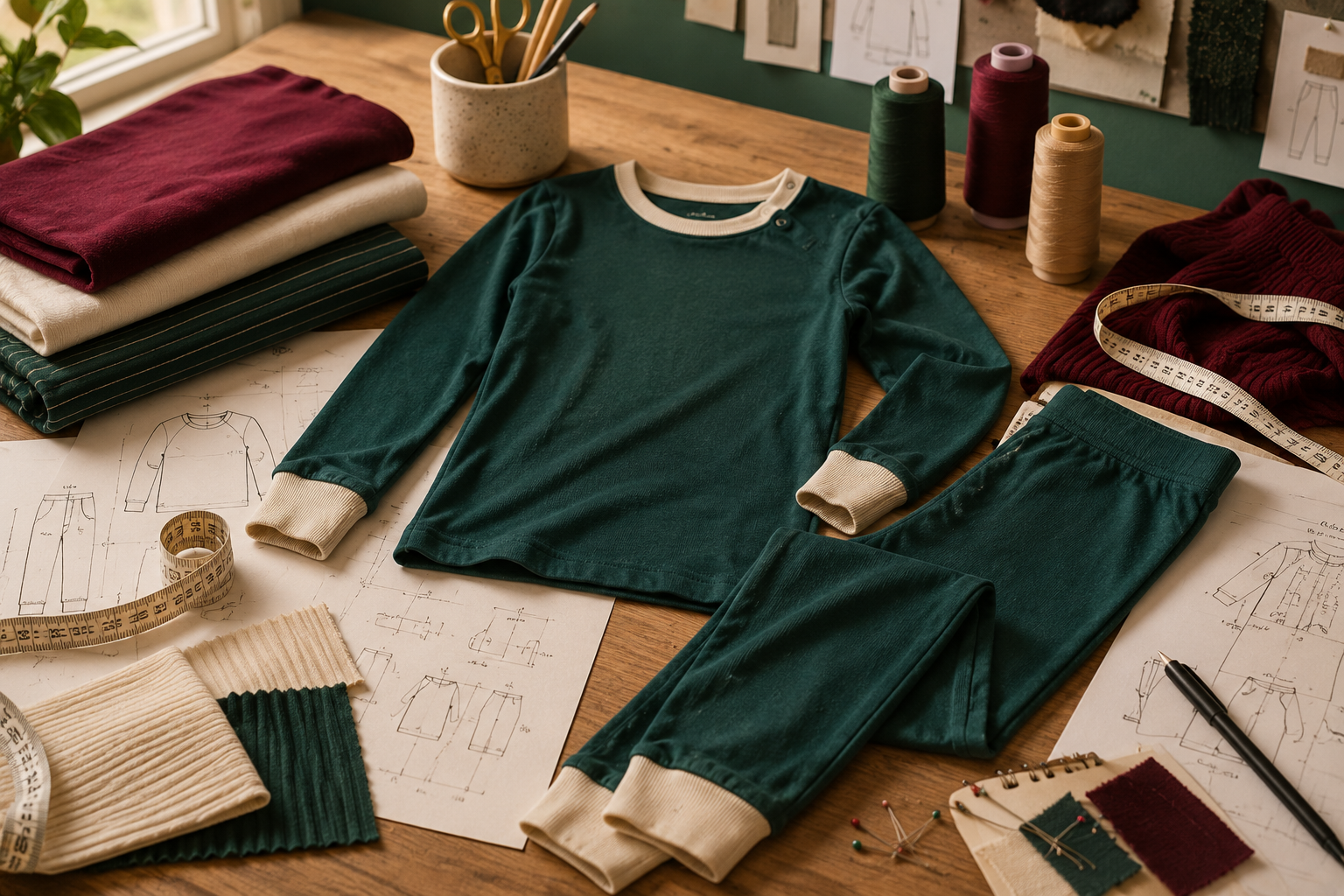
Snug-fit vs flame-resistant. Side by side.
| Property | Snug-fit (16 CFR 1615.4) | FR-treated (16 CFR 1615.3) |
|---|---|---|
| Chemistry on garment | None | FR formulation |
| Silhouette | Body-skimming, close-fit | Loose, flowing |
| Typical fabrics | Cotton interlock with elastane, bamboo blend | Modacrylic, FR-treated cotton, polyester |
| Typical hand feel | Soft, stretch | Firmer, sometimes stiffer |
| Typical FOB unit cost | $5.50 to $11.00 | $7.20 to $14.50 |
| Per-fabric lab testing | Dimensional + GCC | Burn rate + GCC |
| Brand positioning angle | "Clean, no chemicals" | "Looser, character-licensed" |
| Tobimax MOQ | 400 per style and colour | 400 per style and colour |
Which one should your brand pick
The decision has three honest inputs:
1. Brand promise. If your brand is "clean ingredients, no chemistry, traceable supply chain," only snug-fit is on-brand. FR treatment would contradict the story even if the chemistry is technically safe.
2. Silhouette requirement. Some buyers want a flowing nightgown silhouette or a loose holiday print pajama. Those are FR-only. A snug-fit pattern cannot produce them.
3. Channel. Mass-retail (Walmart, Target, Amazon) accept both pathways and often prefer FR for the silhouette range it allows. DTC and premium retail (boutique, curated marketplaces) increasingly favor snug-fit because of consumer chemical-free preferences.
Most ethical children's sleepwear brands pick snug-fit and design within those silhouette constraints. What causes a sleepwear recall is almost always a failure on one of these two pathways, not the pathway itself.
What this means for your tech pack
If snug-fit:
- Specify the dimensional tolerances per size break in the tech pack
- Specify the elastane content
- Plan two rounds of fit samples to verify dimensions
- Budget 2 to 3 weeks for lab dimensional testing per fabric and colour
If FR:
- Specify the FR fabric supplier and the formulation
- Request the FR chemistry residue certification (REACH, OEKO-TEX 100 product class I if applicable)
- Plan one round of fit samples (silhouette is easier to nail) but two rounds of burn-rate testing
- Budget 3 to 4 weeks for lab burn testing per fabric and colour
FAQ
Can a single pajama style use both snug-fit and FR pathways?
No. The pathway is set at the design level. A single style is either snug-fit or FR-treated. A brand can run separate styles on different pathways within the same range, but each style picks one path.
Are snug-fit pajamas safer than FR-treated ones?
Both are legal under CPSIA. The "safer" question depends on what you're optimizing for. Snug-fit avoids FR chemistry entirely. FR treatment uses bonded chemistry that meets all current regulatory thresholds. Most brands today choose snug-fit for the chemical-free positioning, not because FR is unsafe.
How much more does FR-treated production cost?
FR-treated unit costs typically run 20 to 35% above the equivalent snug-fit cotton interlock, depending on the fabric base and treatment formulation.
What are the most common mistakes brands make picking a pathway?
Three: (1) starting design without picking the pathway, then having to rework patterns; (2) choosing FR for silhouette without budgeting the cost differential; (3) marketing snug-fit as "flame-resistant" in copy, which is technically inaccurate and risks consumer confusion.