What Is GSM in Fabric, and What GSM Should Sleepwear Be?
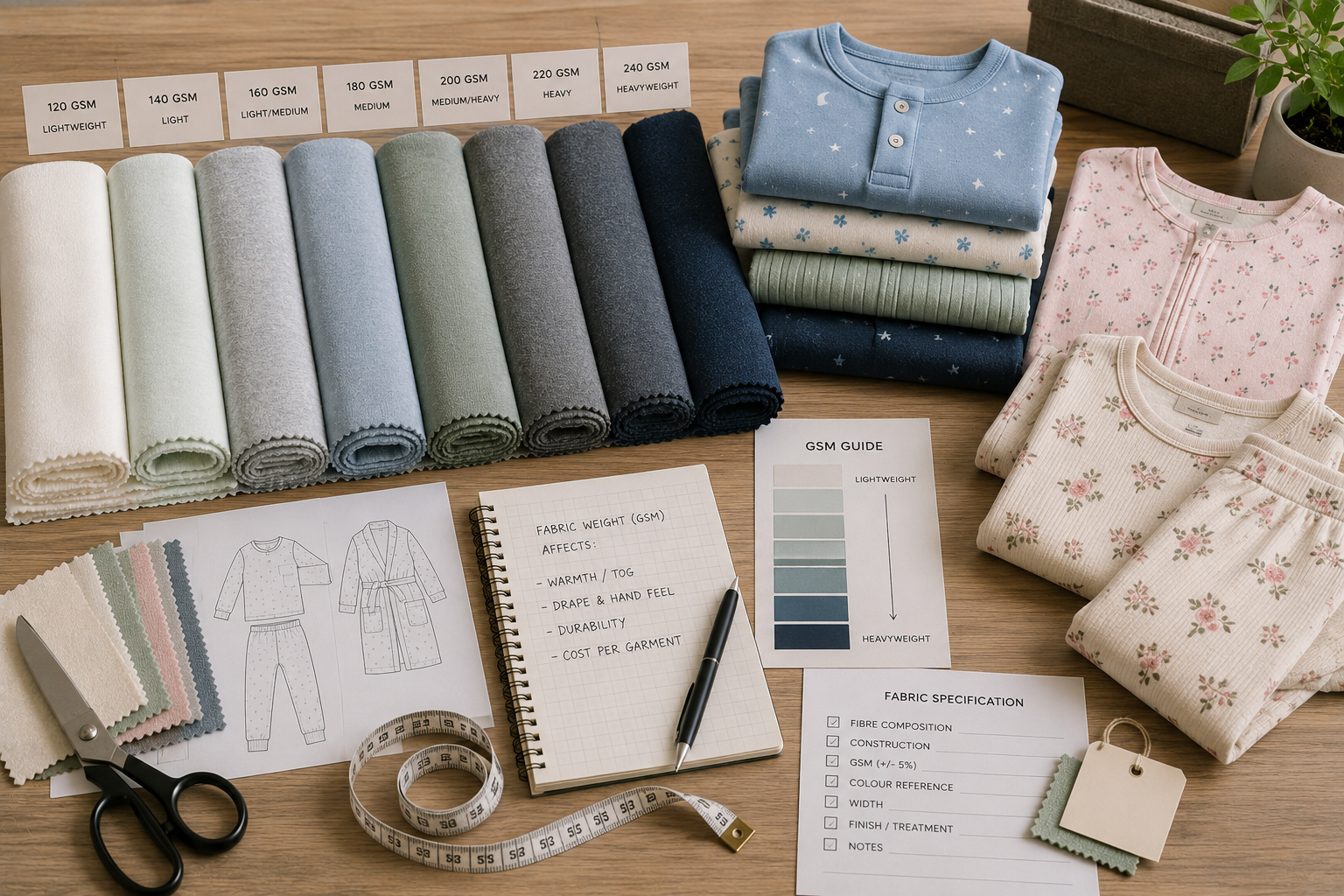
GSM is one of the most important fabric specifications in sleepwear manufacturing, yet many founders overlook it when sourcing fabrics. Learn what GSM actually measures, how it affects comfort, warmth, durability, and cost, and the recommended GSM ranges for pajamas, sleep sacks, robes, and loungewear.
Read More
International Children's Sleepwear Safety: U.S. CPSIA vs EU EN 14878 vs Canada CCPSA
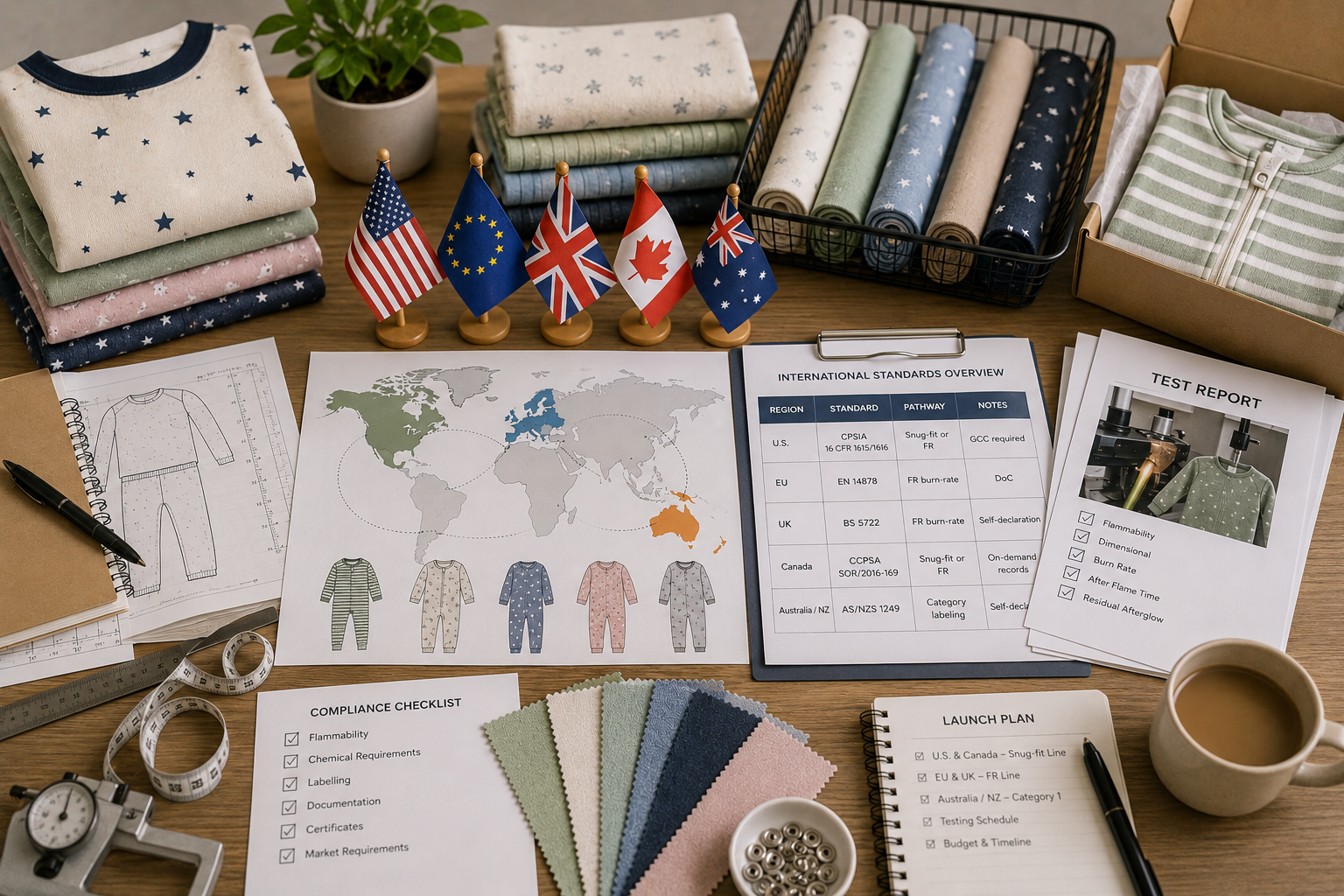
Expanding beyond one market can multiply compliance costs fast. Compare the children's sleepwear safety frameworks used in the U.S., Canada, Europe, the UK, and Australia, and discover how smart testing decisions made early can prevent expensive retesting later.
Read More
CPSIA Testing Costs for a New Sleepwear Brand: What the Lab Bill Actually Looks Like
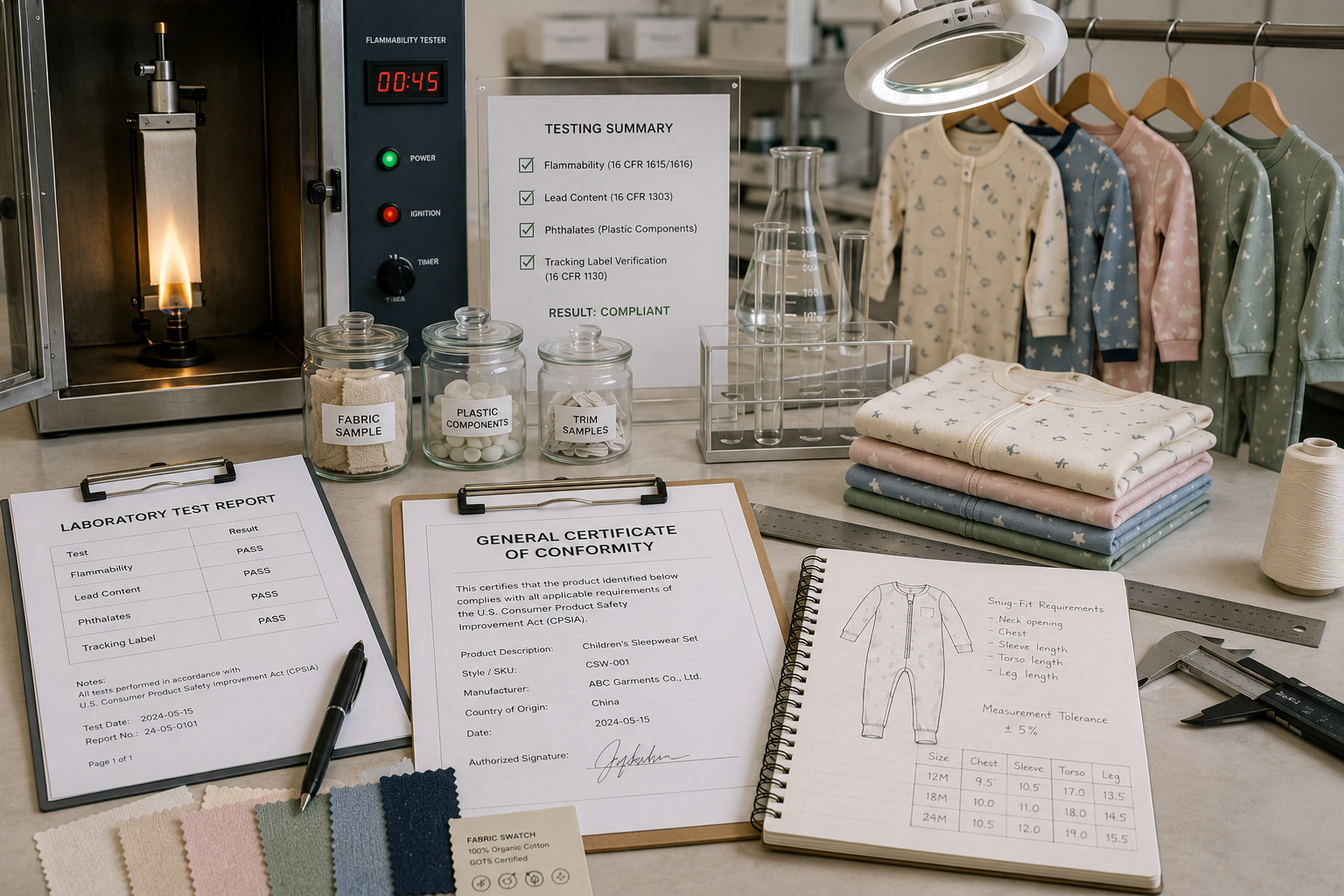
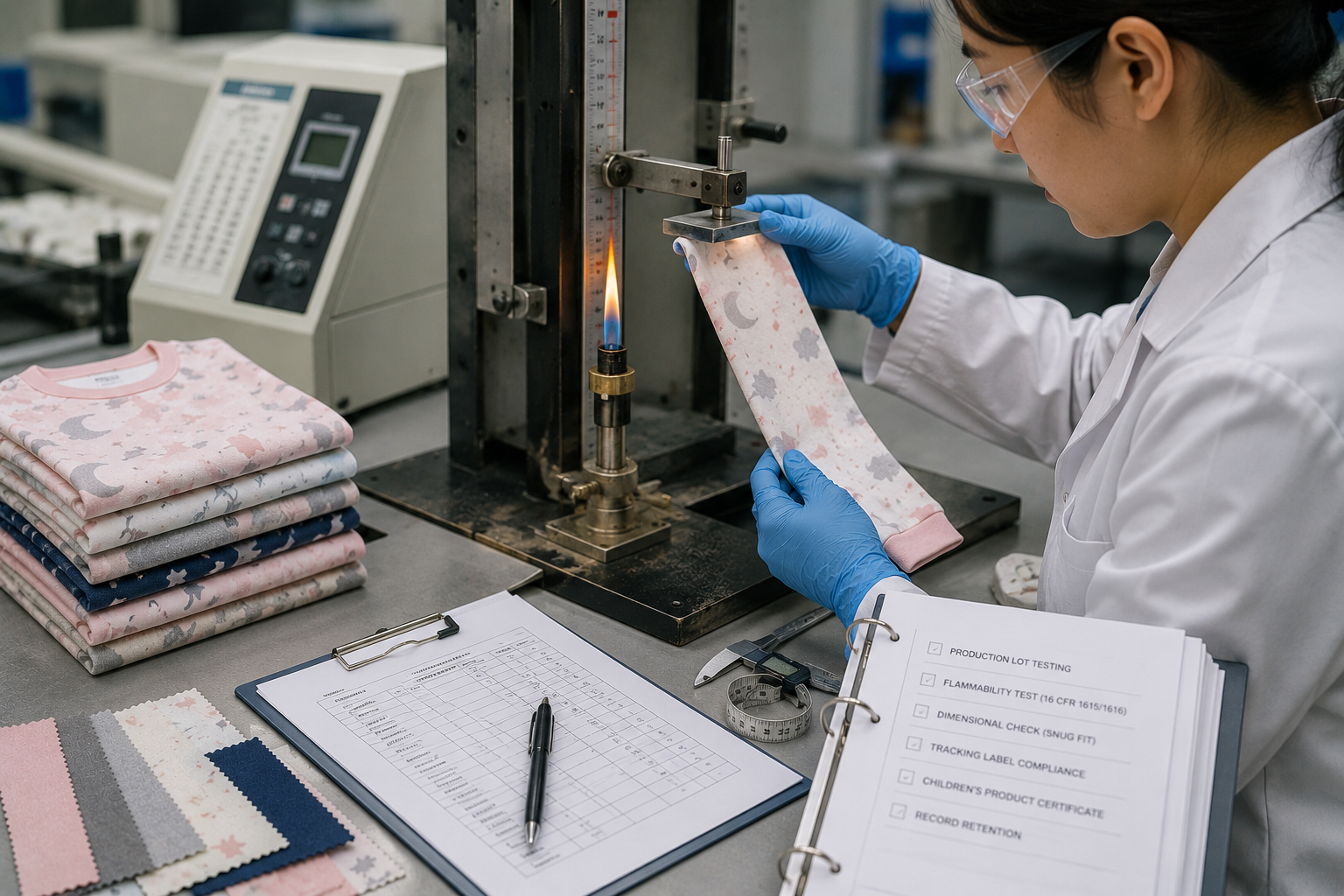
A children's sleepwear launch can require flammability, lead, phthalate, and tracking-label testing before products can legally be sold in the U.S. This guide breaks down typical CPSIA testing costs, timelines, and the factors that have the biggest impact on your lab bill.
Read More
Bamboo vs Modal vs Tencel: A Sleepwear Fabric Showdown
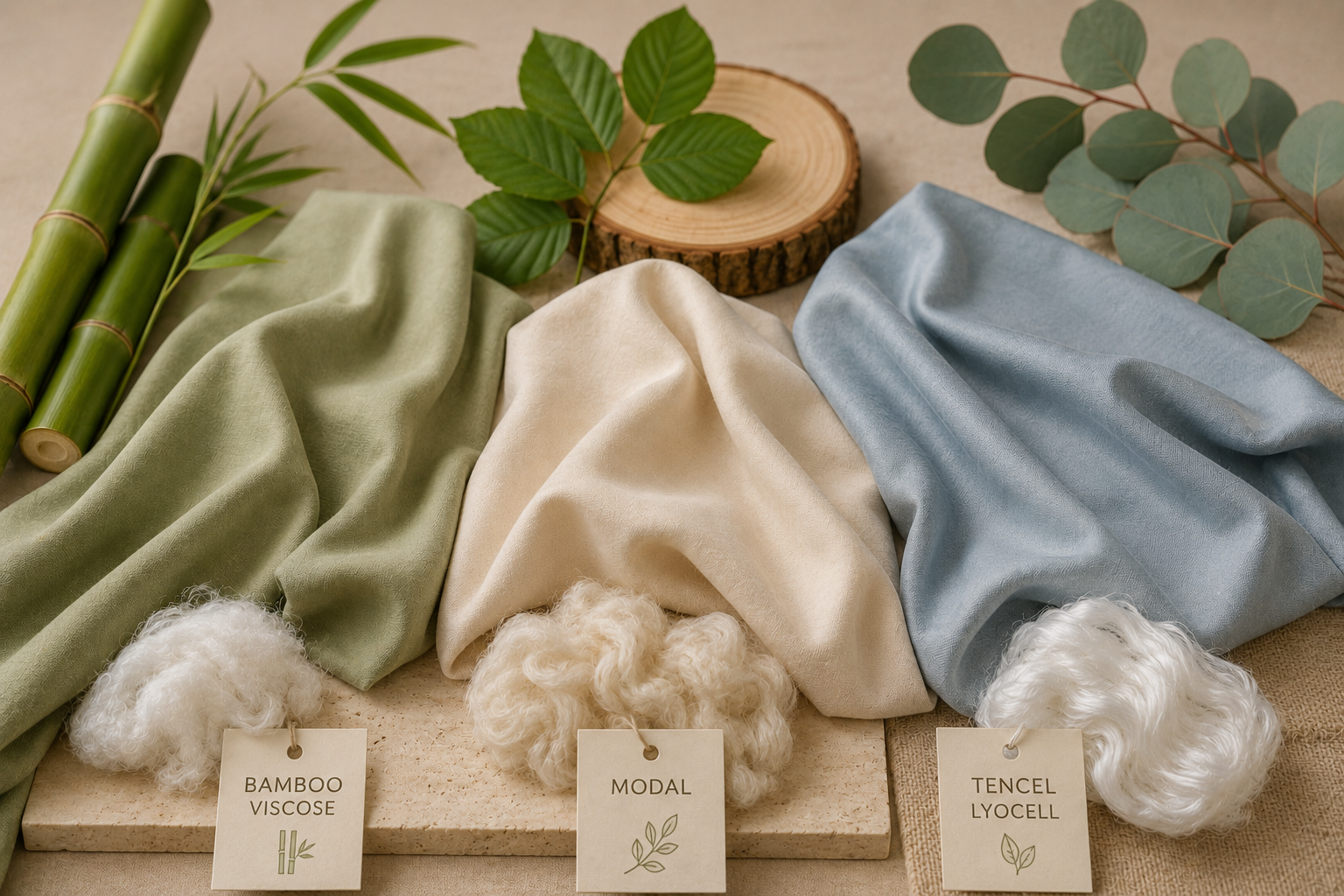
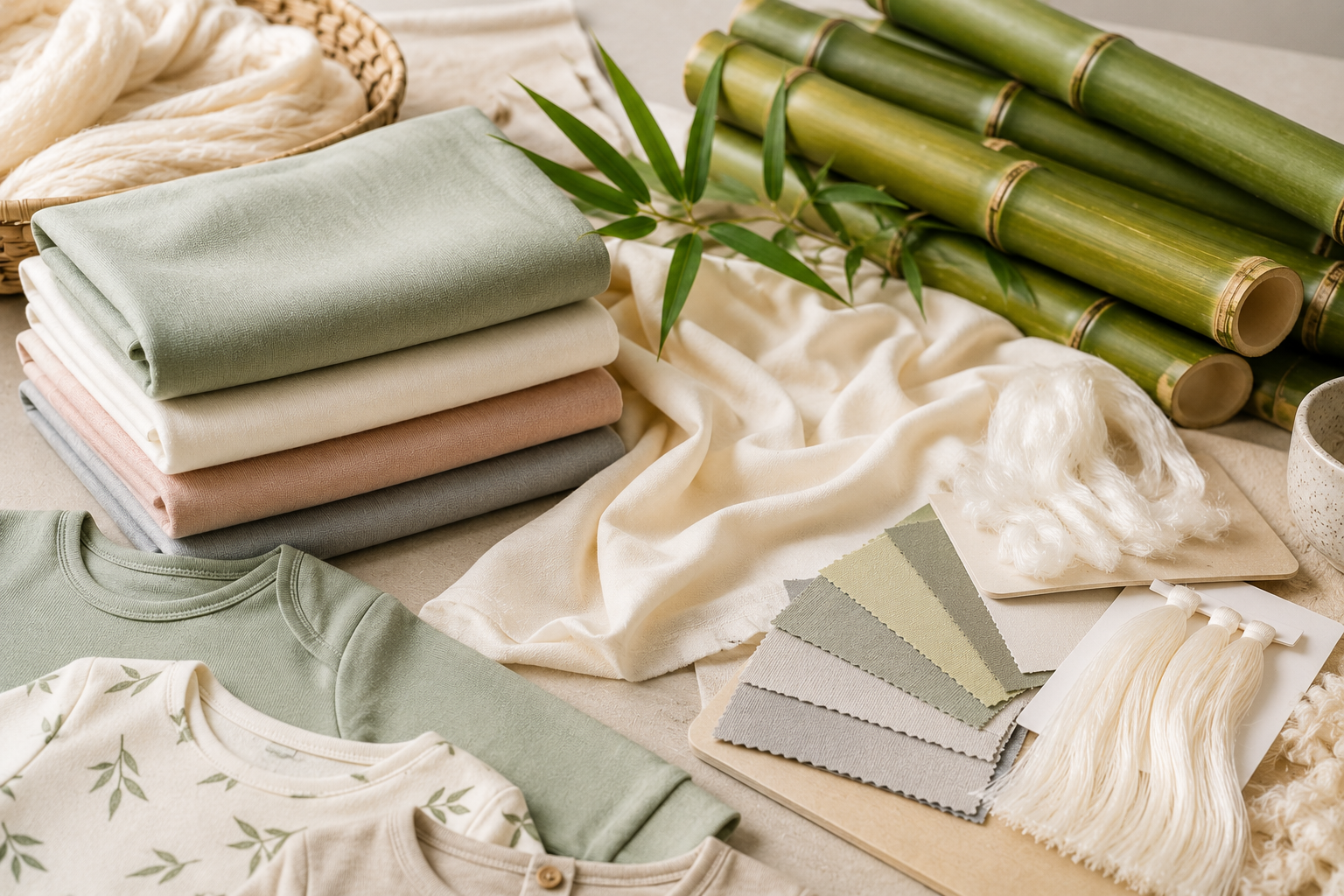
Bamboo viscose, modal, and Tencel are often grouped together, but they differ in sourcing, processing, performance, and sustainability. This guide compares all three sleepwear fabrics side by side to help apparel brands choose the right material for softness, durability, breathability, and brand positioning.
Read More
Functional Baby Clothing: Three Trends Reshaping Founder Briefs in 2026
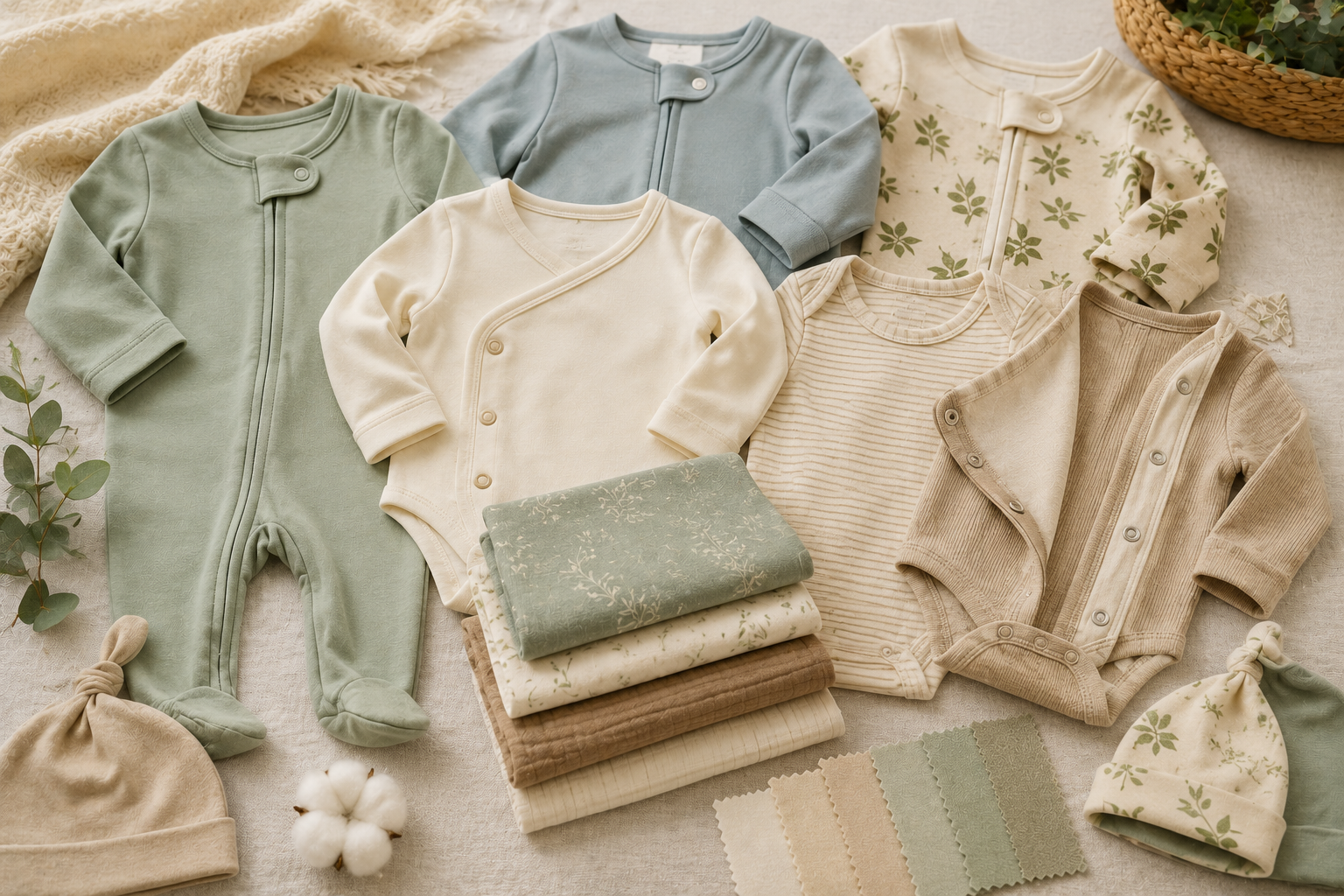
Over the past two years, baby clothing has shifted from being purely aesthetic to increasingly functional. From sensory-friendly construction and temperature-regulating fabrics to magnetic closures and expandable designs, these are the three trends reshaping how founders brief their manufacturing partners in 2026.
Read More
UV-Protective Uniforms for Outdoor Crews, Sports Teams, and Event Merch
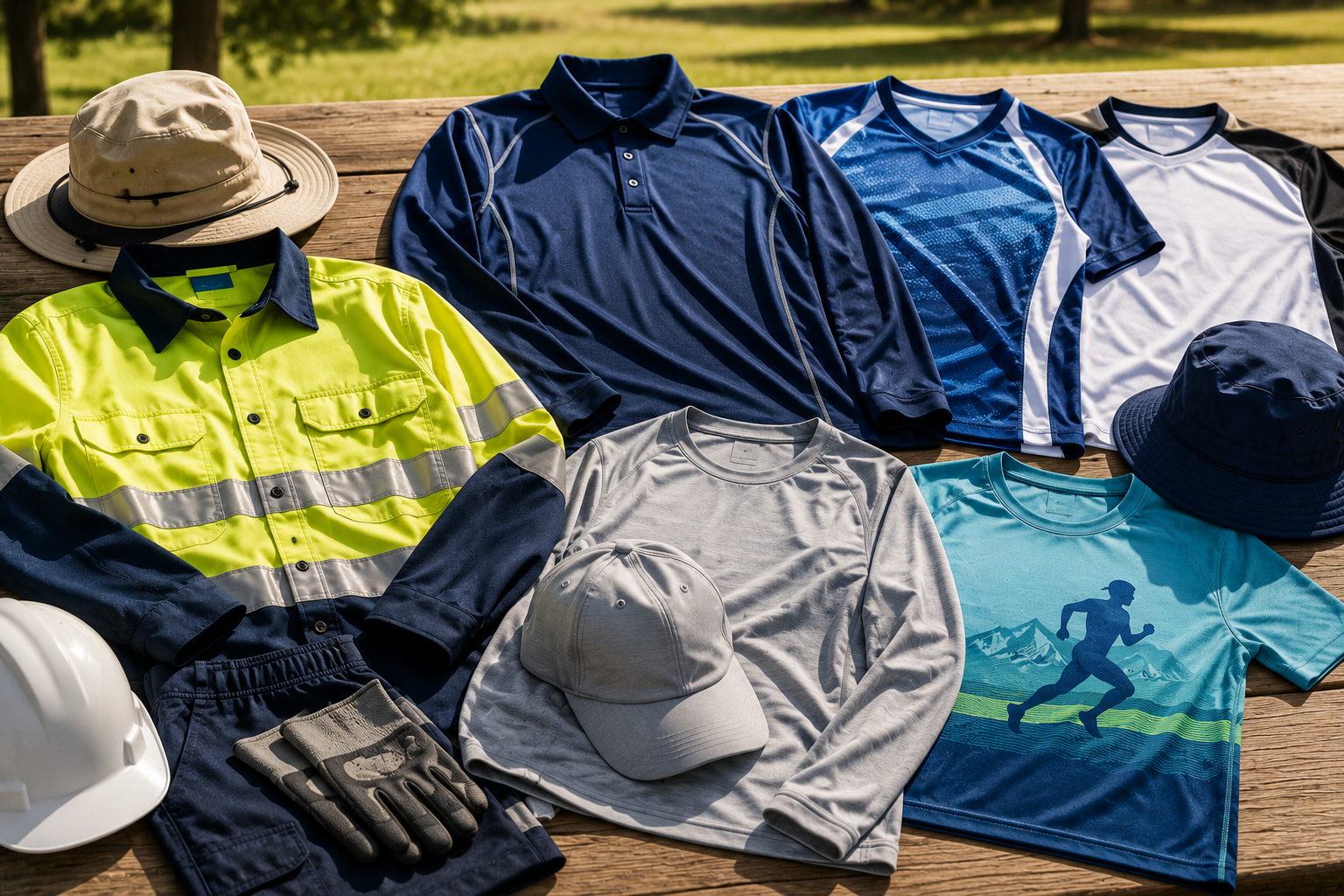
UV-protective uniforms are no longer limited to specialty outdoor apparel. From construction crews and sports teams to marathon merchandise programs, organizations are increasingly specifying UPF-rated fabrics to improve comfort, reduce sun exposure, and support long-term wear in demanding outdoor environments.
Read More
Bamboo Rayon for Apparel Brands: What to Ask Your Supplier
Bamboo rayon is one of the most misunderstood fabrics in apparel manufacturing. This guide explains the difference between bamboo viscose and bamboo lyocell, which certifications matter, and the questions every founder should ask before choosing a supplier.
Read More
How to Find a Small-Batch Clothing Manufacturer as a Startup
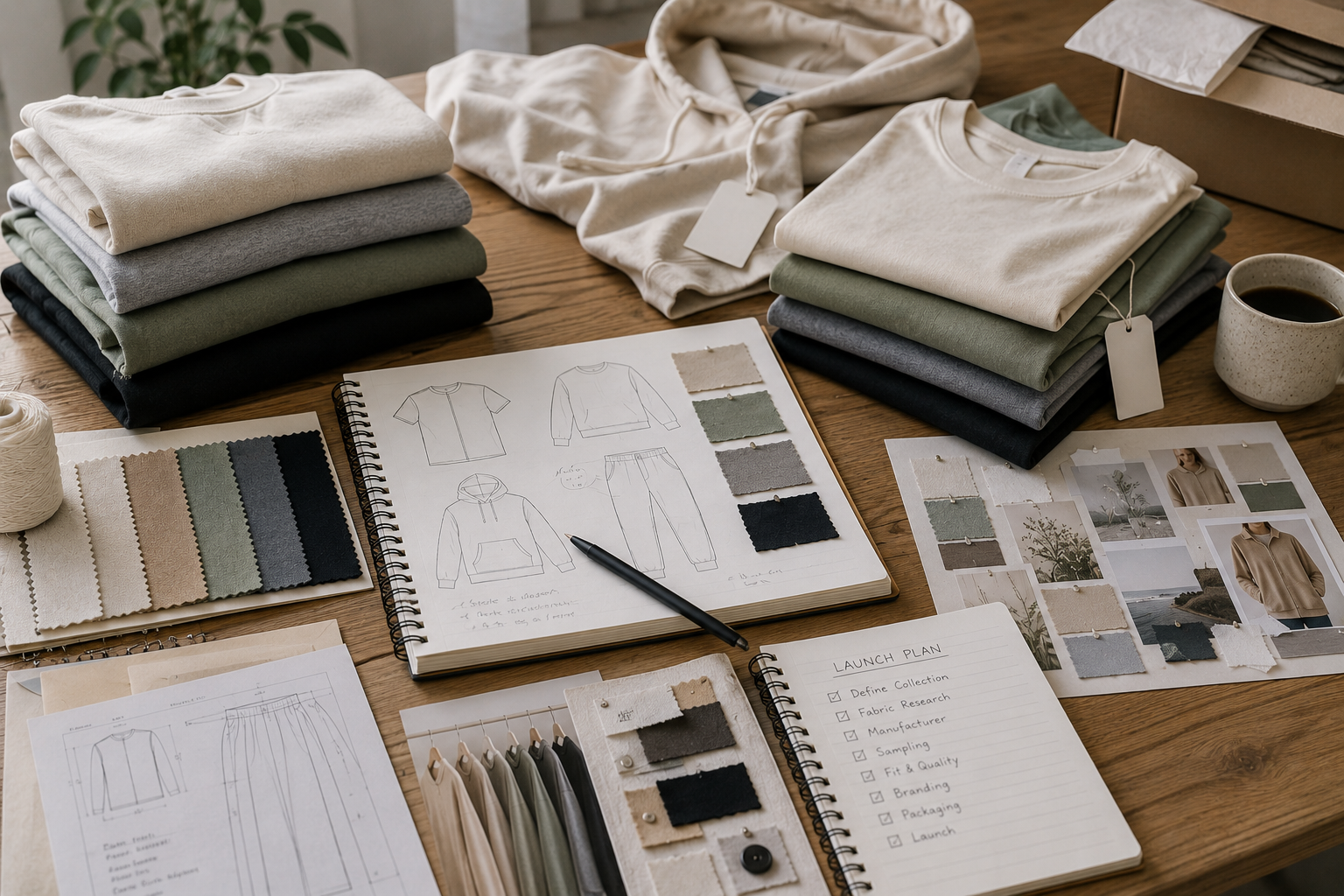
You do not need 5,000 units to launch a clothing brand. This guide explains how startups find small-batch, low-MOQ manufacturers, what questions to ask before committing, and how to avoid the costly mistakes that derail first production runs.
Read More
Essential-Oil Treated Rayon for Sleepwear: How Greenfirst Works
For children with allergies, asthma, or sensitive skin, fabric choice matters. Discover how essential-oil treated rayon works, why anti-mite performance is becoming a differentiator in sleepwear, and how to verify treatment claims before production.
Read More
GOTS Organic Cotton for Children's Sleepwear: A Manufacturer's Guide
More retailers are requiring GOTS-certified organic cotton for children's apparel, and brands that meet the standard often command higher retail prices. This guide explains the certification, the supply chain requirements, and what buyers look
Read More
Small-Batch Clothing Manufacturing: Local vs Overseas for US and Canada Brands
Many apparel founders begin by looking for a local manufacturer, only to discover limitations in fabric selection, minimum order quantities, and pricing. Here's how local and overseas manufacturing compare for growing brands.
Read More
How to Vet an Ethical Sleepwear Manufacturer
Choosing a sleepwear manufacturer is one of the most important decisions a brand will make. This practical checklist explains how to verify certifications, assess ethical labour practices, confirm compliance capabilities, evaluate MOQ requirements, and identify red flags before you commit to production.
Read More
Organic Baby Clothing Manufacturer: A Low-MOQ, Private-Label Guide
Finding the right organic baby clothing manufacturer is about more than fabric. Learn what GOTS and OEKO-TEX certifications actually mean, how low-MOQ private label production works, and what to look for in a compliant manufacturing partner.
Read More
Ethical Clothing Manufacturers in Vietnam: A Guide for Small Brands
Small brands no longer have to choose between affordability and responsible production. Discover how ethical clothing manufacturers in Vietnam support low-MOQ orders, sustainable sourcing, and long-term growth.
Read More
Finding a Clothing Manufacturer for Your Canadian Brand
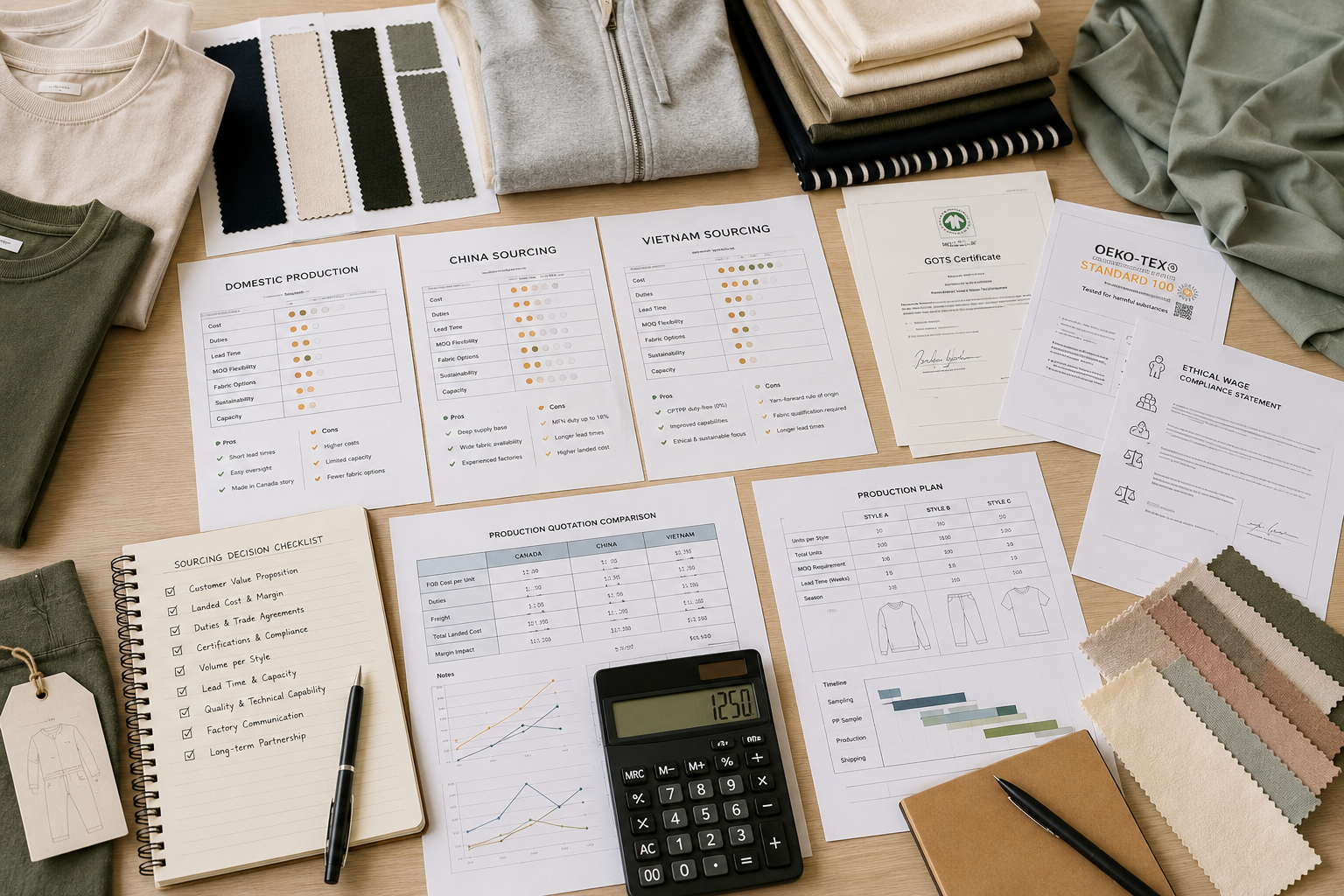
Choosing a clothing manufacturer is one of the biggest decisions a Canadian brand will make. Learn how domestic production, China sourcing, and Vietnam manufacturing compare on cost, scalability, and long-term profitability.
Read More
How to Start a Pajama Business: A Manufacturer's Guide
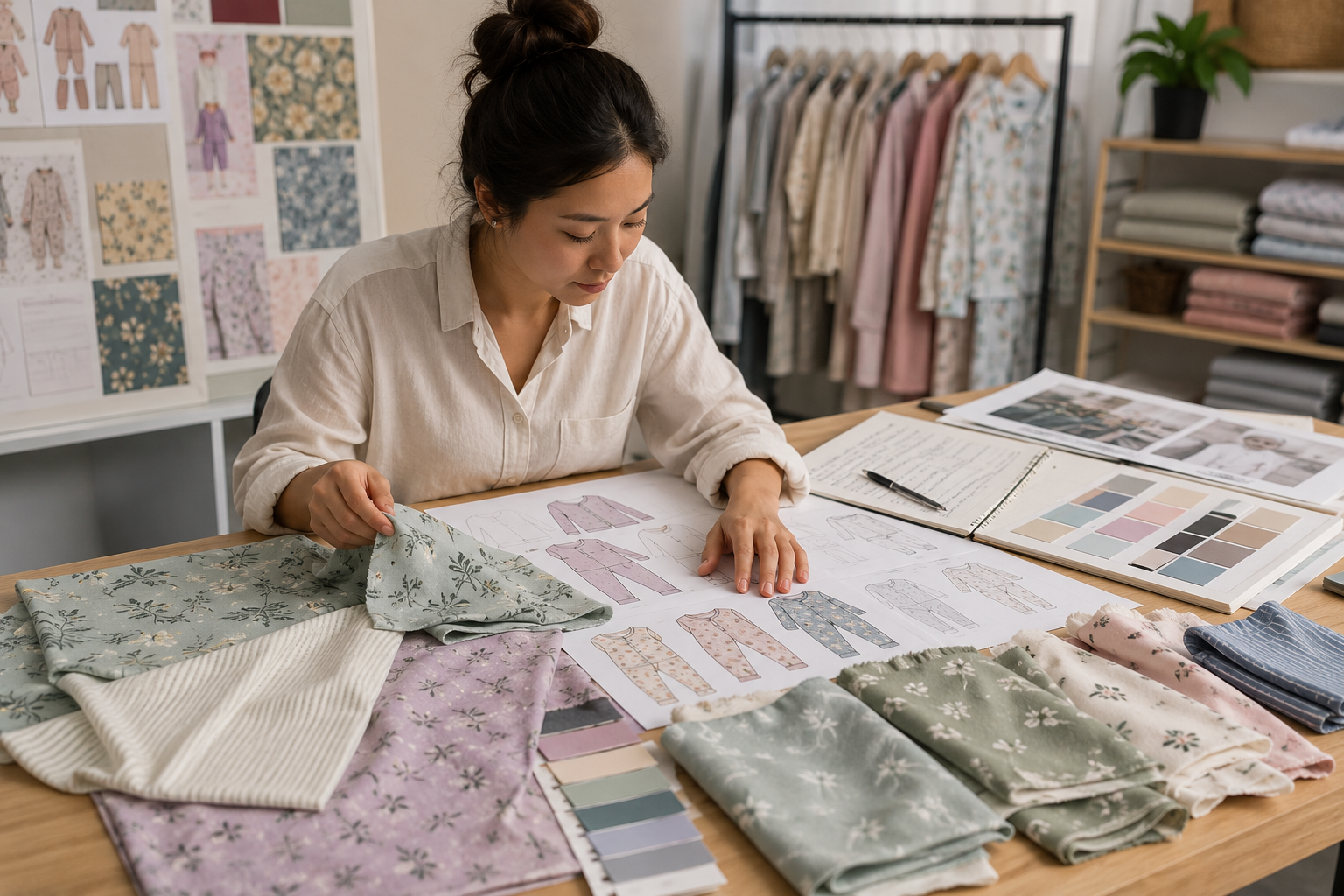
Learn how to start a pajama business in 2026, from choosing your niche and fabric to understanding MOQ, costing, compliance, sampling, and finding the right manufacturer.
Read More
Children's Sleepwear Recalls: Causes and How to Prevent Them
Most children's sleepwear recalls can be traced to one issue: flammability non-compliance. Learn the common mistakes that trigger recalls and the manufacturing processes that keep children's pajamas compliant and off the recall list.
Read More
UV-Protective School Uniforms: The Australian Standard Reaching US Schools
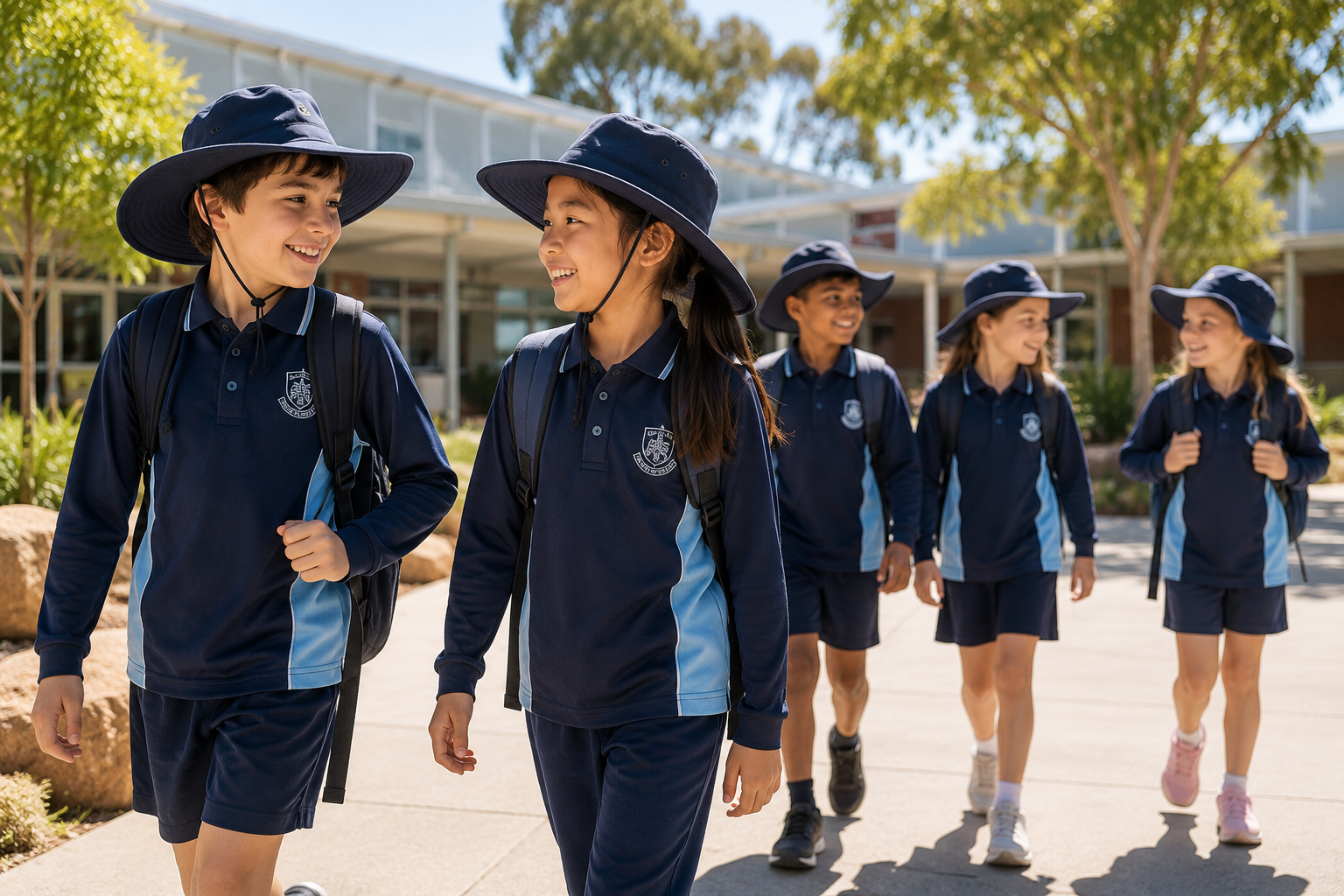
Australian schools have treated UV protection as part of student safety for decades. Now, US schools in high-UV regions are beginning to adopt UPF-rated uniforms as parent expectations, climate conditions, and district risk standards evolve.
Read More
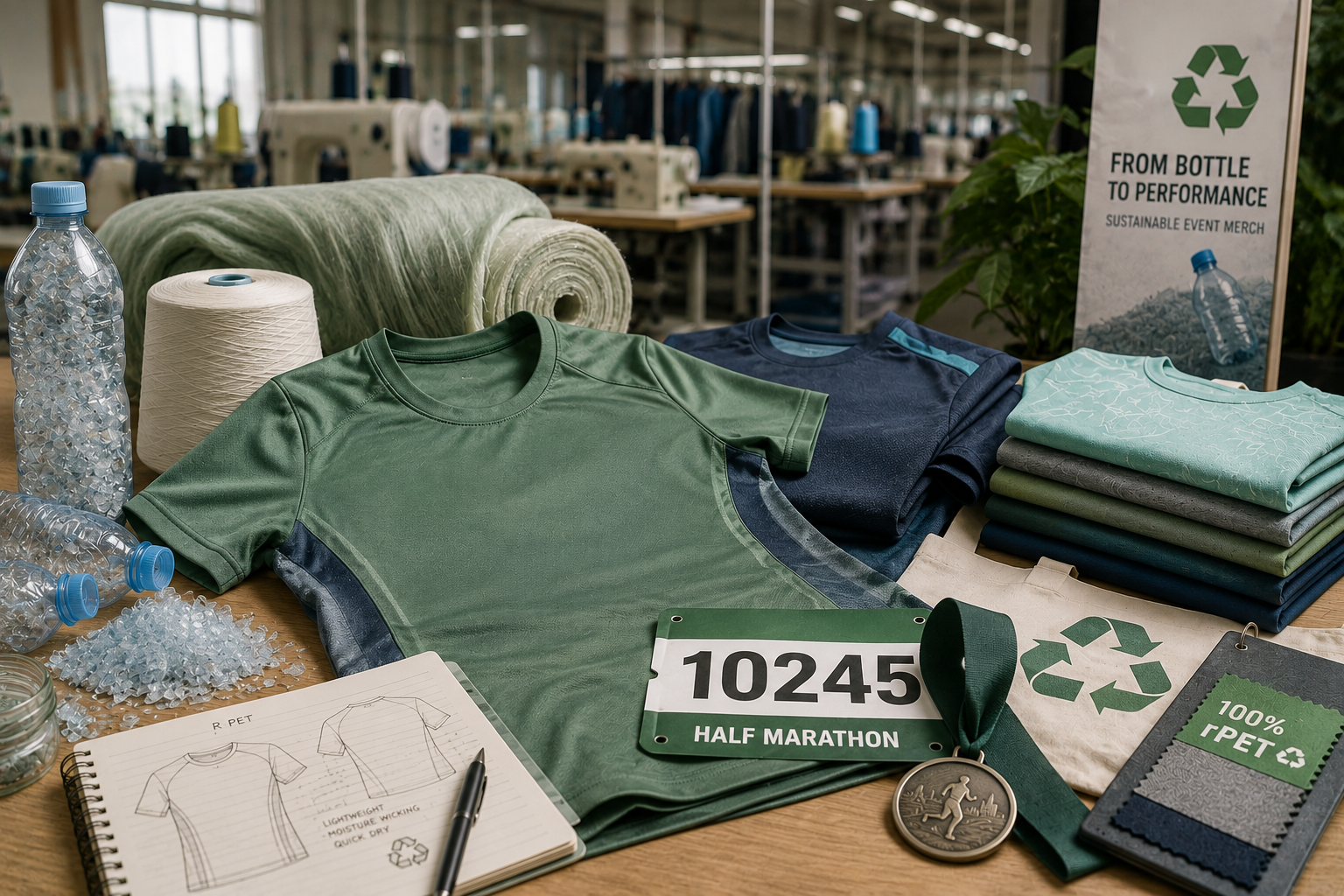
Recycled Polyester (rPET) for Event Merch: A Manufacturer's Honest Take
Recycled polyester (rPET) is widely used in event merchandise, but the sustainability story is more complex than most brands realize. This guide explains how rPET is made, its tradeoffs, and how it compares to virgin polyester and organic cotton.
Read More
How to Start a Children's Sleepwear Brand in 2026
Starting a children’s sleepwear brand in 2026 requires more than great designs. This guide walks founders through CPSIA compliance, fabric sourcing, sampling, lab testing, production timelines, and realistic startup costs for launching a retail-ready pajama line.
Read More