
Sustainable Sleepwear Manufacturing: What GOTS, OEKO-TEX, and Eco Certifications Actually Mean for Your Brand
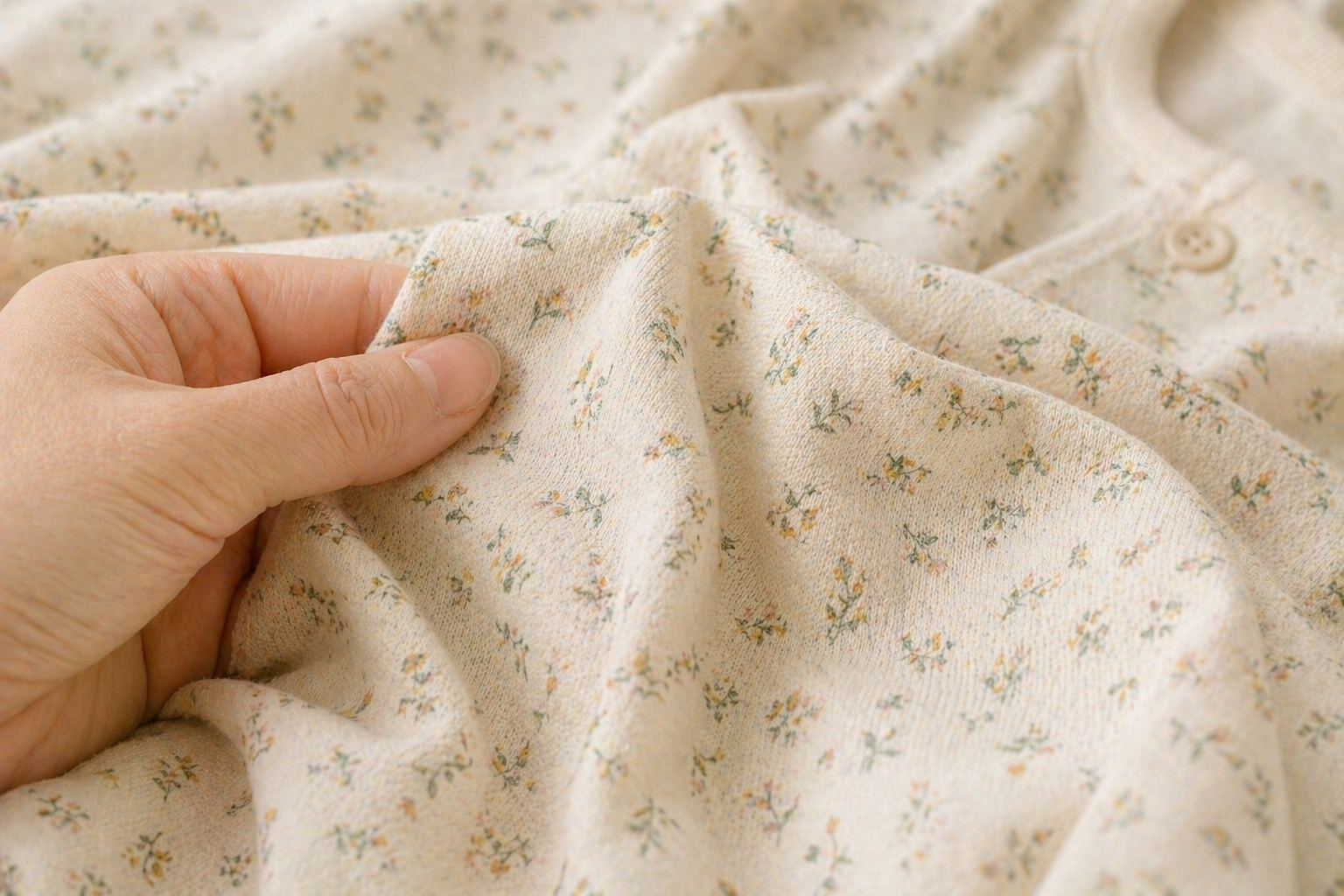
Sustainability is no longer a differentiator in sleepwear — it's becoming a baseline expectation. Parents researching children's pajamas increasingly filter for terms like "organic," "sustainable," and "non-toxic." Retail buyers ask about certifications during their first conversation with new brands. And the regulatory environment around environmental claims in fashion is tightening.
But the sustainability landscape in textiles is genuinely confusing. There are dozens of certifications, each covering different aspects of the supply chain. Some are rigorous and meaningful. Others are essentially marketing badges. And the cost and complexity of obtaining certifications varies enormously.
This guide cuts through the noise. We'll explain what the major certifications actually certify, what they cost, and help you decide which ones make sense for your sleepwear brand at your current stage. If you're also evaluating where your garments are made, our guide to ethical manufacturing in Vietnam covers what to look for in an overseas factory.
The Certifications That Matter for Sleepwear
There are three certifications that come up most frequently in sleepwear manufacturing. Each one covers different things.
GOTS (Global Organic Textile Standard)
GOTS is the gold standard for organic textiles and the most comprehensive certification available. It covers the entire supply chain from raw fiber to finished product.
What GOTS certifies: the textile contains a minimum of 70 percent organic fibers (95 percent for the "organic" label, 70 percent for the "made with organic" label). All chemical inputs (dyes, finishes, auxiliary chemicals) meet strict environmental and toxicological criteria. Wastewater treatment meets defined environmental standards at every processing stage. Social criteria are met including no child labor, safe working conditions, and fair wages. The entire supply chain — from farm through spinning, weaving, dyeing, cutting, and sewing — is audited and certified.
What GOTS costs: every entity in your supply chain (fiber producer, spinner, fabric mill, dyer, manufacturer) must be individually GOTS certified and audited annually. A single facility certification typically costs $2,000 to $5,000 per year for the audit, plus the cost of implementing any required changes to meet the standard.
For your brand as a "brand holder," you also need GOTS certification if you want to use the GOTS logo on your products. This involves an annual audit of your operations (even if you don't manufacture) and costs approximately $1,500 to $3,000 per year.
The practical implication: your fabric, your dyes, and your manufacturer all need to be GOTS certified for the entire chain to be valid. If any link in the chain isn't certified, you can't label the finished product as GOTS.
OEKO-TEX Standard 100
OEKO-TEX is a product safety certification, not a sustainability certification. It tests the finished product (or individual components) for harmful substances.
What OEKO-TEX certifies: the tested product does not contain harmful levels of over 100 regulated and non-regulated substances including formaldehyde, pesticides, heavy metals, phthalates, and certain dyes. Testing criteria vary by product class — Class I (baby products) has the strictest limits.
What OEKO-TEX doesn't certify: the environmental impact of production, working conditions, organic fiber content, or supply chain practices. It's purely a chemical safety test on the end product.
What it costs: testing a product through an authorized OEKO-TEX lab typically costs $1,000 to $3,000, and the certification is valid for one year. If you change your fabric, dye, or supplier, you need to retest.
For children's sleepwear, OEKO-TEX Standard 100 Class I certification is a strong trust signal. Parents see "tested for harmful substances" and feel reassured. It's less comprehensive than GOTS but much easier and cheaper to obtain.
OEKO-TEX Made in Green
This is a newer label that combines the product safety testing of Standard 100 with a facility certification for environmental and social practices. It's positioned between Standard 100 (product safety only) and GOTS (full organic supply chain).
What it certifies: the product is free from harmful substances (Standard 100 testing), and the production facilities meet environmental and social criteria (through STeP or equivalent facility certification).
It's gaining traction but is less widely recognized than either GOTS or Standard 100.
Do You Need Certifications to Sell Sustainable Sleepwear?
The honest answer: it depends on your market, your claims, and your risk tolerance.
You need certification if you want to use the word "organic" on your product labeling or marketing (GOTS is required for textile organic claims), you're selling to retailers who require specific certifications (many specialty and natural retailers require GOTS or OEKO-TEX), or you want to make specific safety claims about harmful substances (OEKO-TEX provides the testing to back those claims). Brands looking for ethical overseas manufacturing often use these certifications as a way to verify environmental standards, product safety, and responsible production practices throughout the supply chain.
You don't strictly need certification if your sustainability story is about the raw material itself (bamboo, recycled polyester) rather than the certification process, you're selling DTC and your customers respond to your brand story without requiring a logo, or you're in early stages and the cost of certification isn't justified by your current volume.
However, there's a critical legal consideration. In the U.S. and Canada, making environmental or sustainability claims without substantiation can result in regulatory action. The FTC's Green Guides provide specific rules about what you can and can't claim. For example, you cannot label bamboo rayon as simply "bamboo" or call it "natural" — it must be identified as rayon or viscose from bamboo. Making unsubstantiated "eco-friendly" or "sustainable" claims can trigger FTC enforcement.
Certifications provide safe harbor for your marketing claims. Without them, you need to be very careful about the specific language you use. For children's sleepwear specifically, the compliance pathway choice also affects fabric sourcing, garment construction, and the types of sustainability claims a brand can responsibly make.
Building a Sustainability Story Without Full Certification
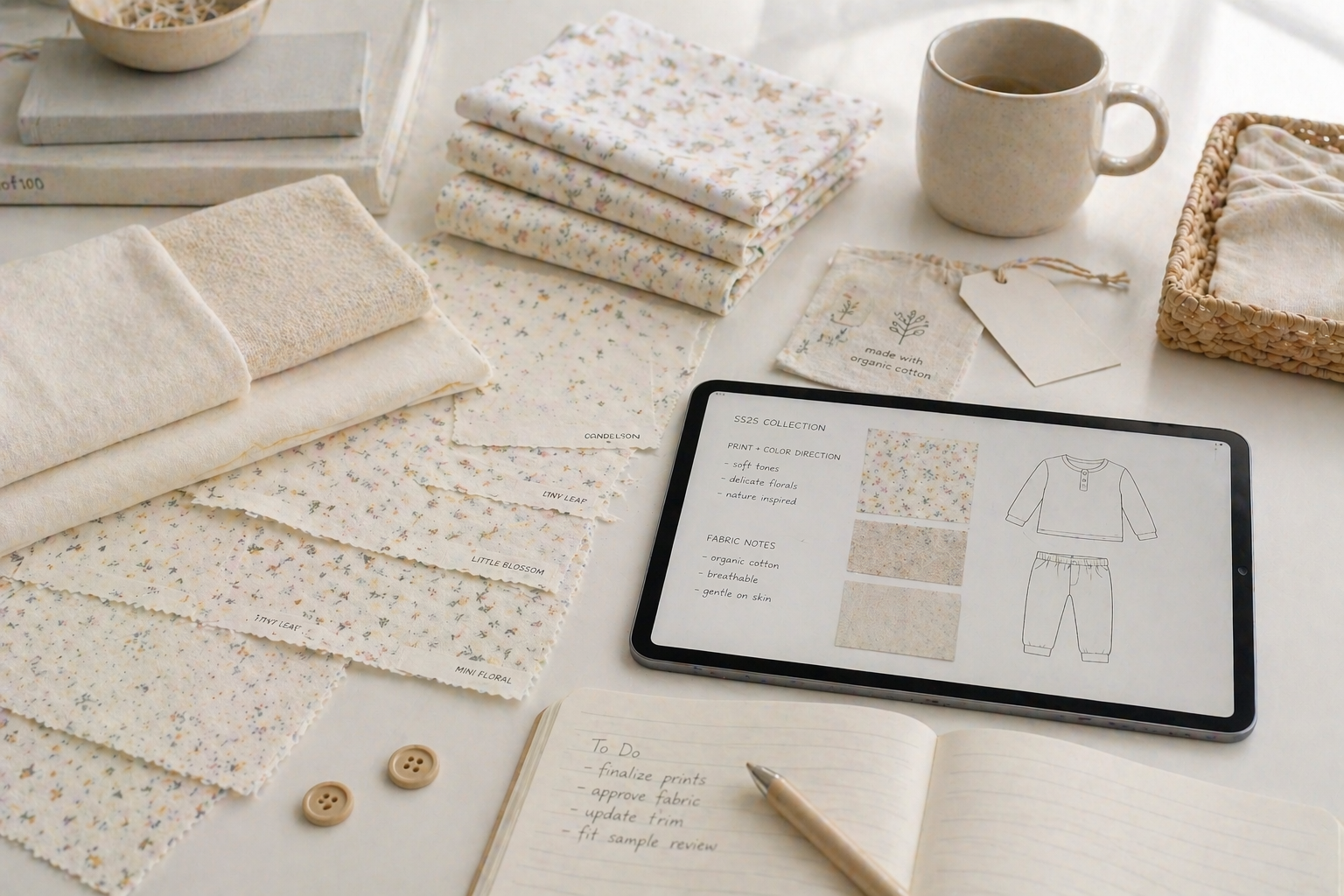
If full GOTS certification is beyond your current budget or supply chain complexity, there are meaningful steps you can take.
Choose inherently sustainable materials. Bamboo (as a raw material) requires no pesticides and minimal water. Recycled polyester diverts plastic from landfills. Organic cotton eliminates agricultural chemicals. Each of these has a genuine sustainability story even without end-product certification.
Work with certified suppliers even if you're not certified yourself. Using GOTS-certified organic cotton fabric from a certified mill is meaningful, even if your own manufacturing facility isn't GOTS certified. You can't use the GOTS logo, but you can accurately say your fabric is GOTS-certified organic cotton.
Pursue OEKO-TEX Standard 100 as a starting point. It's the most affordable certification, it directly addresses parent concerns about chemical safety, and it applies to the finished product rather than the entire supply chain. Many brands use certified organic cotton and OEKO-TEX-tested fabrics for snug-fit holiday pajamas that avoid flame-retardant chemical treatments entirely.
Be transparent about what you're doing and what you're not. Consumers increasingly respect honesty over perfection. Saying "we use certified organic cotton and are working toward full GOTS supply chain certification" is more credible than vague "eco-friendly" claims.
The Cost-Benefit of Certifications at Different Brand Stages
Startup phase (under $50K revenue): focus on material choices and OEKO-TEX testing. Total annual cost: $1,000 to $3,000. Marketing value: strong for DTC, solid safety story
Growth phase ($50K to $250K revenue): add OEKO-TEX Standard 100 Class I, explore GOTS feasibility with your supply chain. Total annual cost: $3,000 to $8,000. Marketing value: opens wholesale doors, builds retailer confidence.
Scale phase ($250K+ revenue): pursue full GOTS certification across your supply chain. Total annual cost: $5,000 to $15,000 (your costs plus ensuring supply chain partners are certified). Marketing value: premium positioning, access to natural/organic retail channels, defensible claims.
How Your Manufacturer Fits In
Your manufacturer's certifications directly affect what claims you can make. When evaluating a manufacturing partner for sustainable sleepwear, ask what certifications their facility holds, whether they can source GOTS-certified or OEKO-TEX-certified fabric, whether they have experience with the documentation and traceability requirements of certified production, and whether they can coordinate testing with accredited labs for your products. Our full guide to vetting a manufacturer's certifications covers the checklist in detail.
A manufacturer who already works within certified supply chains can save you significant time and cost compared to one who needs to obtain certifications from scratch.
Making Sustainability a Business Advantage
The most effective sustainability strategies in sleepwear aren't about collecting as many certification logos as possible. They're about making genuine choices that align with your brand values and communicating those choices clearly.
Start with the material. Make smart sourcing decisions. Get the certifications that are feasible at your stage. Be honest about where you are in the journey. And choose a manufacturing partner who shares your commitment to doing better.
The market rewards authenticity. Parents can tell the difference between a brand that genuinely cares about what touches their child's skin and one that's greenwashing for marketing points.
Discuss sustainable manufacturing options for your sleepwear brand
We work with sustainable fabrics including bamboo rayon, organic cotton, and recycled materials. We partner with certified fabric mills and guide brands through the certification process at every stage of growth.