
How to Find a Small-Batch Clothing Manufacturer as a Startup
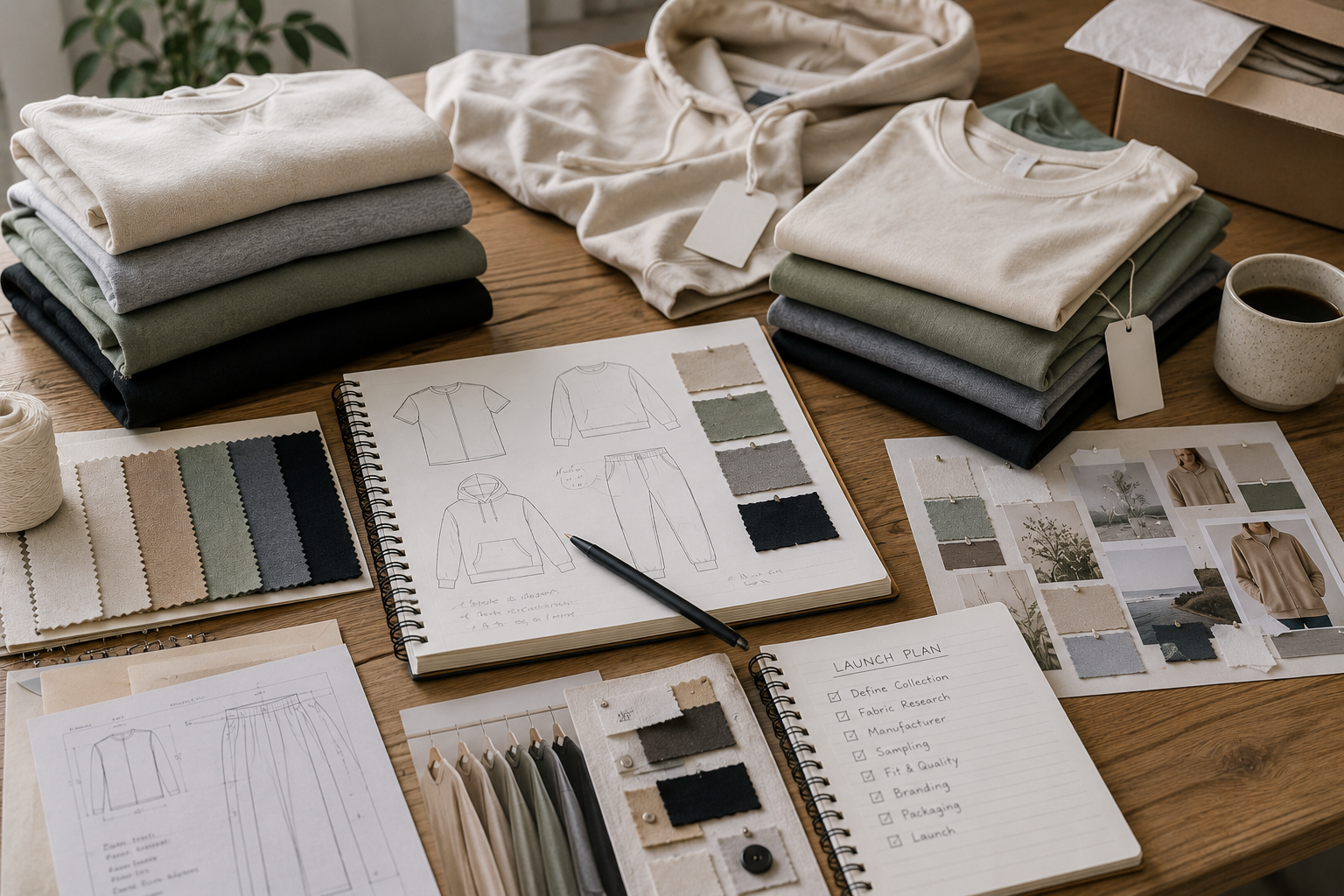
You do not need 5,000 units to start
The single biggest myth that stops new clothing brands is the belief that you have to order thousands of units to begin. You do not. Small-batch manufacturing exists precisely so a new brand can launch a focused range, learn what sells, and reorder what works, without burying your cash in inventory. This is how to find a manufacturer who will start small with you.
What "small batch" and "low MOQ" really mean
MOQ is the minimum order quantity, the number of units a factory will run per style and colourway. Small batch usually means a low MOQ, in the low hundreds rather than the thousands. The number matters because it sets your starting cash, your inventory risk, and how many styles you can launch at once. A manufacturer who runs from a few hundred units per style is built for where a new brand actually is.
Where to look, and what to ignore
Founders usually start by searching "clothing manufacturer near me" or "small batch clothing manufacturer." Local shops can work, but many carry higher minimums and a narrow fabric range. Overseas partners are often dismissed on the assumption that they only run huge orders, which is no longer true. The honest comparison between the two is in our guide on local versus overseas small-batch manufacturing. Ignore any manufacturer who will not state a clear MOQ, or who treats a small first order as a nuisance rather than the start of a relationship.
What to ask a small-batch manufacturer
Before you commit, get clear answers on the minimum order per style and colourway, the sampling process and timeline, the fabric library, the certifications they hold, and how pricing is itemized. A serious partner answers all of these quickly. For the full vetting checklist, see our buyer's checklist for vetting a manufacturer.
What small-batch production costs
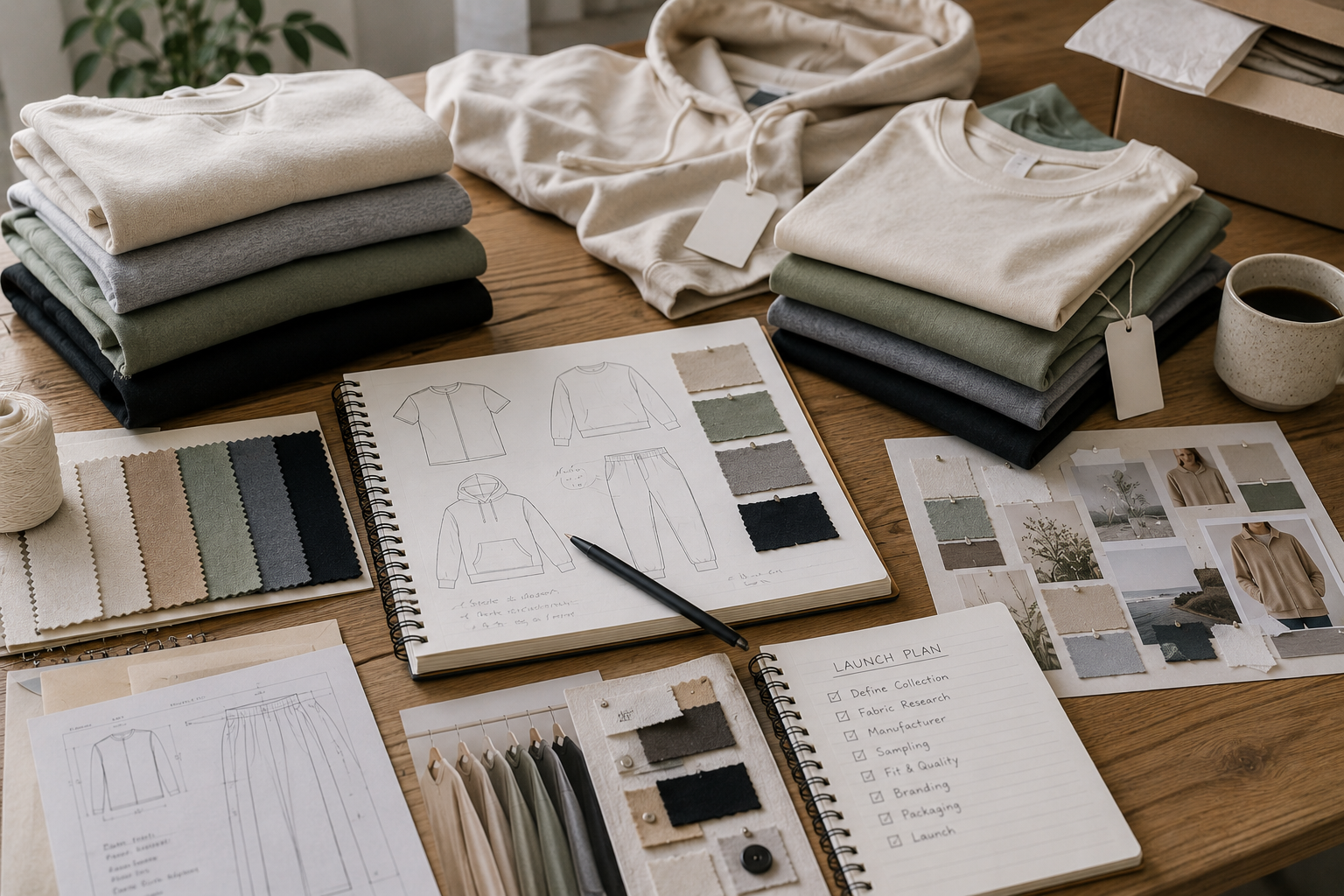
The honest answer depends on your MOQ, fabric, and category, but the costs are knowable up front. Plan for fabric and production (your MOQ times the per-unit cost), sampling fees, any compliance testing your category requires, and labels and packaging. Our breakdown of what it actually costs to manufacture puts numbers to each line. A low MOQ keeps that first number small enough to start without outside funding.
Common mistakes new brands make
Three trip up most first-time founders. Ordering too many units of an unproven style, which ties up cash. Choosing a manufacturer on per-unit price alone, then losing the savings to poor communication and reworks. And skipping certifications, which retail buyers increasingly require. Start small, choose on the whole relationship, and ask for the certificates by name.
Where Tobimax fits
Tobimax is a family-owned, female-led ethical garment manufacturer, in operation since 1988 across two generations, with factories in Vietnam and China. We run from MOQ 400 per style with honest pricing, a fabric library spanning organic cotton, bamboo rayon, Tencel, modal, and recycled polyester, and GOTS, OEKO-TEX Standard 100, and bluesign certification. We work with founder-led brands who started small with us and grew (Whistle & Flute, Jax & Lennon, LS among them). If you are launching, request a quote and we will walk you through a realistic first run.
FAQ
What is a good MOQ for a clothing startup?
A low MOQ in the low hundreds per style and colourway lets a new brand launch without over-ordering. Tobimax runs from MOQ 400 per style. Minimums in the thousands signal a factory built for large brands, not a startup.
Can I start a clothing brand with a small budget?
Yes. The key is a low MOQ so your first order is a few hundred units rather than thousands. Plan for fabric and production, sampling fees, any required compliance testing, and labels and packaging.
Do small-batch manufacturers hold certifications?
The good ones do. Ask for GOTS, OEKO-TEX Standard 100, and bluesign by certificate number. Retail buyers increasingly require this documentation regardless of order size.
Should a startup manufacture locally or overseas?
It depends on your volumes, fabric, and brand story. A low-MOQ overseas partner often wins on minimums, fabric range, certifications, and landed cost. A local shop wins when the made-local story is what your customer is paying for.