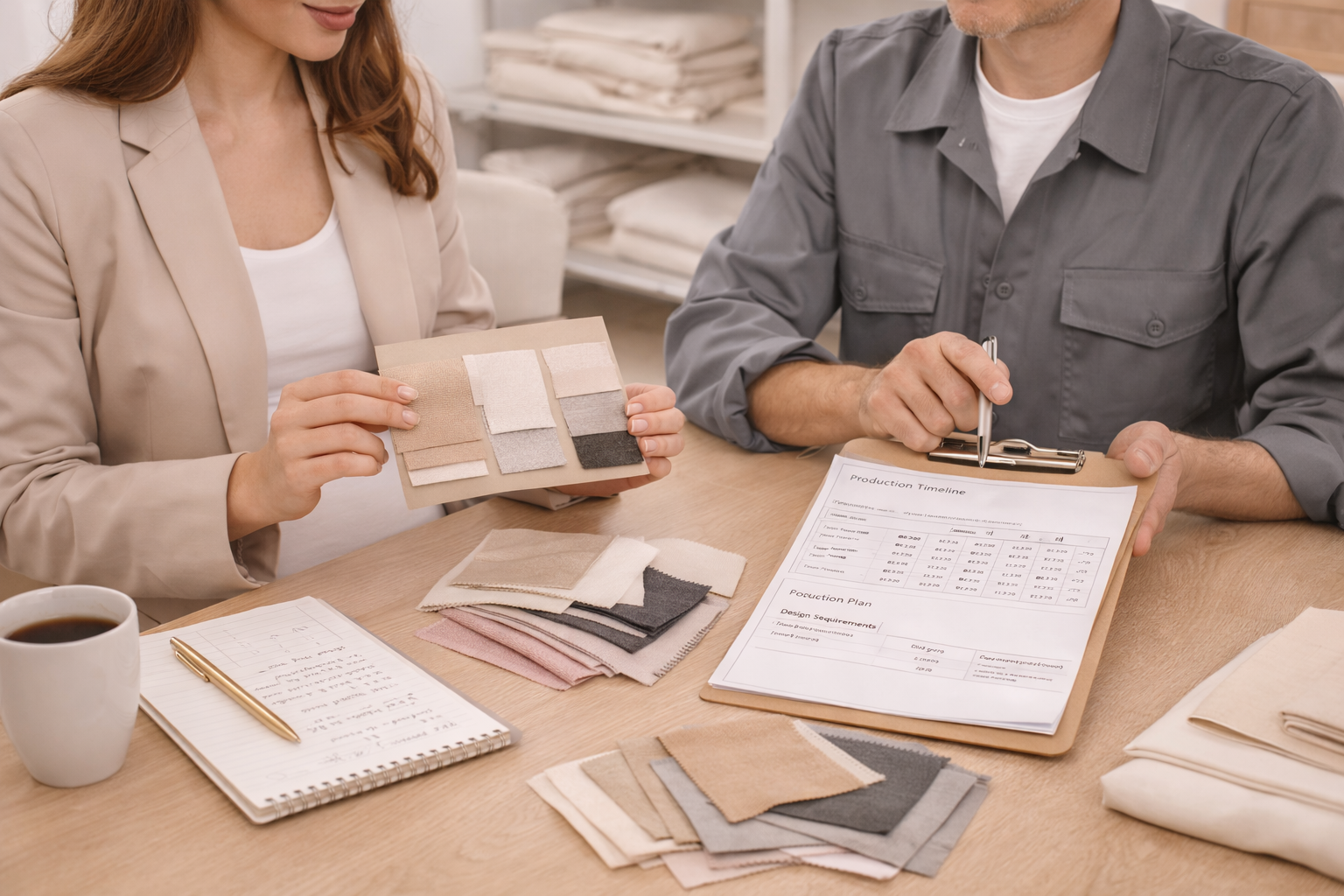
Custom Bamboo Sleepwear Manufacturing Guide
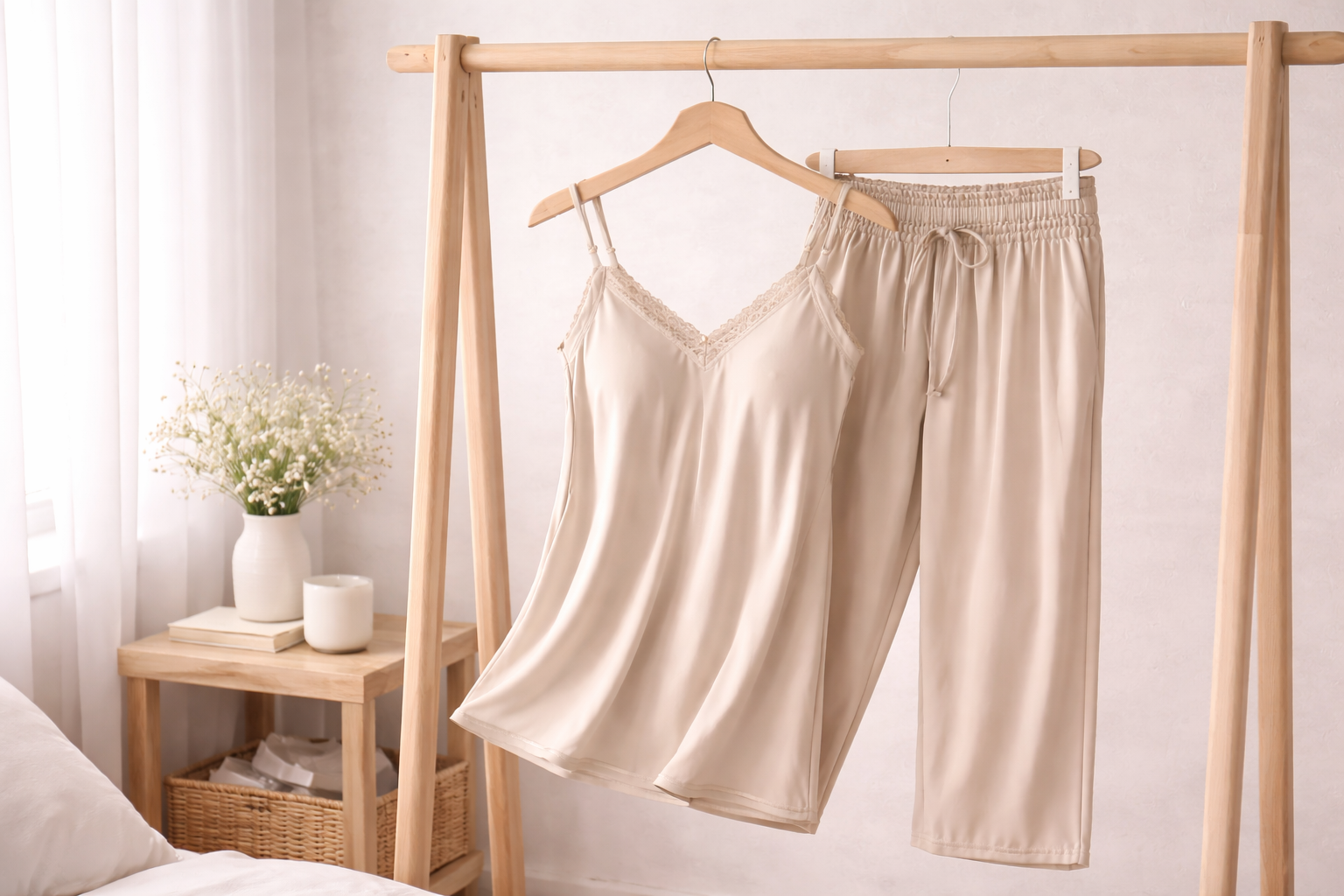
Bamboo has gone from a niche fabric choice to the fastest-growing material in children's and premium adult sleepwear. The brands driving this shift built loyal followings on one promise: sleepwear that's softer, cooler, and more comfortable than anything else on the shelf. One children's sleepwear brand with over 500K followers on social media built its entire identity on bamboo rayon — and reshaped what parents expect from pajamas.
If you're planning a bamboo sleepwear line, you're entering a proven market with strong consumer demand. But bamboo manufacturing has specific requirements that differ from cotton or synthetic production. The fabric behaves differently on the cutting table, the sourcing is more specialized, and the cost structure is higher — which means your margins and pricing need to be planned carefully.
This guide covers everything from fabric composition to landed cost to compliance, based on years of producing bamboo sleepwear for brands across North America and Australia.
Understanding Bamboo Sleepwear Fabrics
Not all bamboo fabric is the same, and the differences matter for your product, your labeling, and your brand story.
Bamboo viscose (bamboo rayon) is by far the most common bamboo fabric in sleepwear. It's produced by dissolving bamboo pulp in a chemical solvent and extruding it into fiber. The result is exceptionally soft, with a silky drape and natural luster. It's temperature-regulating, moisture-wicking, and hypoallergenic. Most bamboo sleepwear on the market — including the brands with the largest followings — uses bamboo viscose.
The standard sleepwear composition is 95 percent bamboo viscose and 5 percent spandex. The spandex provides stretch and recovery, which is critical for children's sleepwear that needs to maintain its snug fit through repeated washing (a CPSIA requirement for tight-fitting garments).
Bamboo lyocell uses a closed-loop manufacturing process where the solvent is recovered and recycled. It's a more environmentally responsible process than conventional viscose, and some brands prefer it for their sustainability narrative. The fabric has a slightly different hand-feel — still soft, but with a bit more body. It's less widely available and costs more than bamboo viscose.
Bamboo linen is mechanically processed bamboo fiber. It retains more of the natural bamboo properties but is coarse and stiff — not suitable for sleepwear. It's occasionally blended with other fibers for home textiles, but it has no place in a pajama line.
For most sleepwear brands, bamboo viscose/spandex (95/5) is the right choice. It offers the best combination of softness, performance, availability, and cost efficiency. The same sourcing and compliance considerations also apply to bamboo sleep sack manufacturing, particularly for infant sleepwear sold in the U.S. Brands focused on infant products often combine this with organic and bamboo baby fabrics to build a full newborn-through-toddler range.
Sourcing Bamboo Fabric
Bamboo fabric sourcing is more specialized than cotton sourcing. Not every fabric mill produces bamboo viscose, and the quality varies significantly between suppliers.
The majority of bamboo viscose is produced in China, where the raw bamboo grows and the viscose processing facilities are concentrated. A few mills in India and Southeast Asia also produce bamboo viscose, but China dominates supply and quality.
When evaluating bamboo fabric suppliers, the key quality indicators are GSM consistency (variations in weight across a roll indicate poor quality control), color consistency between dye lots (bamboo viscose is prone to slight color shifts between batches), stretch and recovery testing (the spandex component must maintain its elasticity after washing), and pilling resistance (low-quality bamboo viscose pills within a few washes). For the full checklist, see what to ask your bamboo rayon supplier.
A good manufacturing partner will have established relationships with bamboo fabric mills and will know which suppliers deliver consistent quality. This is one of the primary advantages of working with a manufacturer who specializes in bamboo sleepwear rather than a generalist factory.
Fabric weight for bamboo sleepwear typically falls between 180 and 220 GSM. For children's pajamas, 190 to 210 GSM provides the ideal balance of softness, drape, and durability. For adult loungewear, you might go slightly heavier (210 to 230 GSM) for a more substantial feel.
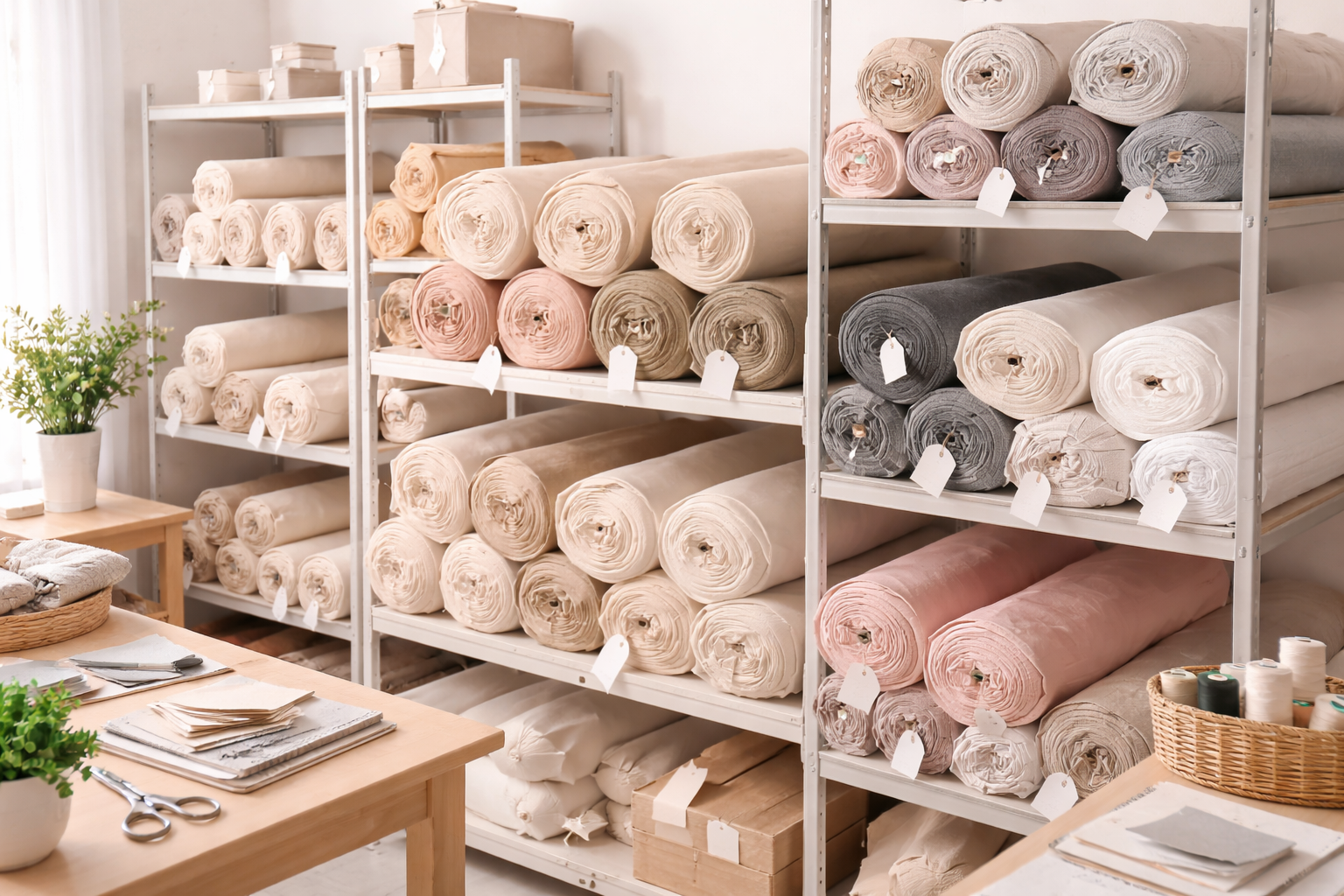
The Production Process for Bamboo Sleepwear
Manufacturing bamboo sleepwear follows the same general workflow as any cut-and-sew garment, but with specific considerations at each stage.
Pattern development and grading. Your patterns are developed from a tech pack or reference sample and graded across your full size range. For children's sleepwear, the patterns must comply with CPSIA tight-fitting dimensional requirements — each size has maximum width measurements at the chest, waist, seat, and sleeve. Your manufacturer should be checking these dimensions during pattern development, not after production.
Fabric inspection. Incoming fabric is inspected using a four-point system to check for defects, color consistency, and weight accuracy before cutting begins. This step is especially important with bamboo viscose because color variation between rolls is more common than with cotton.
Cutting. Bamboo viscose is slippery and shifts easily on the cutting table. Experienced operators use vacuum cutting tables and sharp rotary blades to ensure clean, accurate cuts. Fabric is typically laid in multiple layers (called a marker) and cut in batches. Pattern pieces are laid out to minimize fabric waste — a well-optimized marker can reduce waste by 10 to 15 percent compared to a poorly planned one.
Sewing. Bamboo rayon requires adjusted sewing tension and needle selection to prevent puckering and skipped stitches. Flatlock or coverstitched seams are preferred for sleepwear because they lie flat against the skin — important for children's garments where rough interior seams cause complaints. Elastic application at the waistband, wrists, and ankles needs consistent tension to maintain the snug fit required for CPSIA compliance.
Printing. If your designs include prints, reactive printing is the preferred method for bamboo viscose. The dye is absorbed into the fiber rather than sitting on top, so the printed fabric maintains the same soft hand-feel as the base fabric. Digital printing offers unlimited color options and is cost-effective for short runs, but the hand-feel can be slightly stiffer. Sublimation printing does not work on bamboo viscose — it's only compatible with polyester.
Finishing. After sewing, garments are steam-pressed, folded, tagged, and packed. Labels (brand, care, compliance) are sewn in during the sewing stage. Final quality inspection checks every garment against the approved sample for construction accuracy, sizing compliance, print quality, and overall appearance.
Cost Structure for Bamboo Sleepwear
Bamboo sleepwear costs more to produce than cotton sleepwear, primarily because of higher fabric costs. Here's a representative breakdown for a children's two-piece bamboo rayon/spandex pajama set.
Fabric (95/5 bamboo rayon/spandex, 200 GSM) runs approximately $5.00 to $7.50 per unit depending on volume and print complexity. Cut, make, and trim labor is typically $2.50 to $4.50. Trims, labels, and packaging add $0.50 to $1.00. Compliance testing (amortized) adds $0.25 to $0.50. Freight and duties add $1.50 to $3.00 depending on destination and shipping method.
Total landed cost per unit: approximately $10.00 to $16.50, depending on volume, complexity, and destination.
At these cost levels, bamboo sleepwear is typically positioned at premium retail price points. Children's bamboo pajama sets commonly retail at $28 to $48, supporting healthy gross margins at both DTC and wholesale levels.
The cost premium over cotton is real but justified by higher retail pricing and stronger brand positioning. Bamboo sleepwear brands consistently command 25 to 40 percent higher retail prices than comparable cotton brands, which more than offsets the higher production cost.

Compliance for Bamboo Children's Sleepwear
Bamboo viscose children's sleepwear follows the same compliance pathway as any other children's sleepwear fabric. If you're selling in the U.S., your garments must meet CPSIA requirements and the flammability standard under 16 CFR 1615/1616.
Most bamboo sleepwear uses the tight-fitting exemption, meaning the garments are designed to fit snugly to the body within specified dimensional limits. Bamboo rayon/spandex blends support this approach well because the spandex provides consistent stretch recovery that helps maintain the snug fit.
Each colorway must be tested by a CPSC-accredited lab before sale. Your manufacturer should coordinate this testing as part of the production process, including verifying garment dimensions against CPSIA requirements during pattern development and post-production.
Labeling for bamboo viscose requires specific language. The FTC mandates that bamboo rayon be identified as "rayon" or "viscose from bamboo" on the fiber content label — not simply "bamboo." Your care labels, hang tags, and marketing materials should use the correct terminology.
Choosing a Bamboo Sleepwear Manufacturer
The right manufacturing partner for bamboo sleepwear should have established bamboo fabric sourcing relationships with mills they know and trust, experience producing bamboo garments (bamboo requires different handling than cotton at nearly every production stage), understanding of CPSIA compliance for children's sleepwear, the ability to coordinate reactive or digital printing on bamboo viscose, and minimum order quantities that work for your current stage.
Not every garment manufacturer has bamboo experience. A factory that produces excellent cotton t-shirts may struggle with bamboo's slippery cutting behavior, sewing tension requirements, and print characteristics. Ask specifically about their bamboo production history and request physical samples.
Getting Started
Bamboo sleepwear is a proven market with strong demand and premium positioning. The production requirements are more specialized than cotton, but with the right manufacturing partner, the process is straightforward.
The first step is always a conversation about your fabric requirements, your target market, and your volume. From there, we move to sampling, where you can see and feel the fabric and construction quality before committing to production.
Start your bamboo sleepwear project — request samples and a quote